
Hieronymus Bosch [c. 1450 – 1516] was a Dutch painter known for his unique artistic style and enigmatic, intellectually complex paintings on religious subjects. He is also known as the innovative painter of the fantastic who, paradoxically, never went beyond the religious canon. Below, I would like to present three of his lesser-known works, one of which – Extracting the Stone of Folly – is considered to be the only one the painter produced which centred on a purely secular matter.
 I. Extracting the Stone of Folly [c. 1505]
In this curious painting, a man tied to a chair in open countryside is ready to undergo a risky procedure – the removal of a stone of folly or madness from his brain. In medieval times, people believed that a stone lodged in someone’s brain was responsible for either their lack of intellectual prowess, their “madness” or their erratic behaviour.
Professor Jos Koldeweij interprets this painting as a quack doctor (on the left) making an incision in the man’s scalp to extract the stone, while the man’s wife (on the far right) and her lover, the priest (in the middle) supervise the procedure. The interesting aspect of the painting is not only the macabre procedure, but also the division of power between the four people in the painting. Despite appearances, it is the wife of the man to be “dissected” who is in control. The book on her head may signal her possessing knowledge or power beyond that of those around her. The doctor is a quack or a fraudster because he has a funnel on his head and a jug hanging from his belt – he is after the money and is not interested in curing his patient. The priest in black, in turn, is supposed to calm the patient and provide a divine assent to the procedure. However, he also seems to possess ulterior motives for being there (having the jug in the hand may also signal deception). Moreover, being a lover of the man’s wife, he is unlikely to interfere to save the man from his fate. Meanwhile, the husband seated represents the party tricked into complete submission, as also evidenced by his overall helplessness to control the situation. The fact that the “surgeon” manages to extract not a stone, but a waterlily from the patient’s head only emphasises the ludicrousness of the procedure. The painting is currently in the Prado Museum in Madrid. Continue reading “Hieronymus Bosch: 3 Lesser-Known Artworks”












 The Wom






 Shamanism [1951/64] –
  The
The

 The Woman in the Window is a 2018 debut thriller and international bestseller by A. J. Finn (Dan Mallory), which sold millions of copies, with the film based on the book to be released in 2020 starring Julianne Moore. Daily Express called the book “masterpiece of storytelling” and Stephen King said that it was “unputdownable”. Saving April is a 2016 lesser-known book by Sarah A. Denzil, released two years before The Woman in the Window and first being available in an e-book format. As I will show below, the similarities between the two books are overwhelming, both in their scope and in their nature, and, clearly, Finn took everything that he possibly could from Denzil’s thriller to write his bestseller. Jane Harper noted that Finn is “a tremendous new talent”. By the end of my comparison, it may become clear that the only talent Finn possibly has (apart from insolence) is taking nearly all of other writers’ ideas, elaborating on them slightly and then passing others’ stories as his own.
 Both books undoubtedly drew inspiration from classic film noir, especially from Hitchcock’s Rear Window [1954] and Amiel’s Copycat [1995] as well as from such books as Gone Girl [2012] and The Girl on the Train [2015]. However, even though The Woman in the Window feels like a more accomplished and elaborate book that Saving April, it is still the same exact story as Saving April and the similarities between the two are too numerous in their number and too close in their nature for there to be any talk of “inspiration” or “simple source”. In fact, the two stories are so similar that Saving April can be the first/second/third draft of The Woman in the Window. Reading the two thrillers side-by-side, one may become immediately confused which part they read in which book – so similar they are in virtually every way.
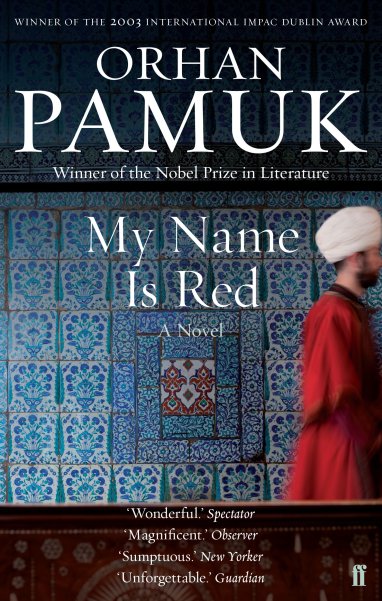







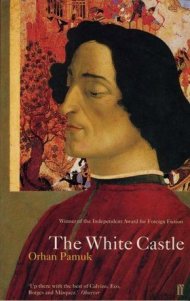 I. The White Castle [1984] by Orhan Pamuk
 I.
I.  I. The Separation [2002] by Christopher Priest
  Melmoth [2018] –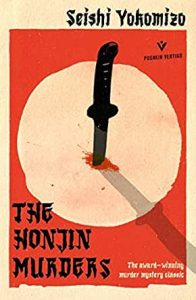

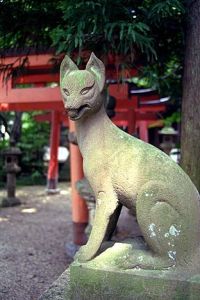 I. Inari Shrines
 The Fishermen [2015] –
 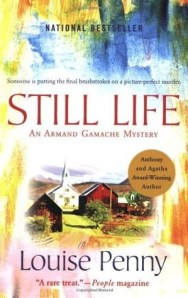 I. Secrets and lies: a book set in a sleepy small town
  II. Salt and sand: a book with a beach-side community

 I.
I.

 I.
I. 



 II. Piranesi by Susanna Clarke (Release Date: 15 September 2020)





 I.
I.  II. V for Vendetta [1982 – 1989] by Alan Moore & David Lloyd


![IMG_0738[9128]](https://thoughtsonpapyrus.com/wp-content/uploads/2019/11/img_07389128.jpg?w=450) I. Edinburgh Castle
I. Edinburgh Castle
 If the Universe is Teeming with Aliens…Where is Everybody?: Seventy-Five Solutions to the Fermi Paradox and the Problem of Extraterrestrial Life [2015] –
  I. Asylums [1961] by Erving Goffman
  II. History of Melancholy [2009/2011] by Karin Johannisson
 Some of my favourite and most beloved people were born in November (my twin brother too!), as well as a parade of my favourite authors: Albert Camus (7th), Kazuo Ishiguro (8th), Margaret Mitchell (8th), Kurt Vonnegut (11th),
 I.
I.  I. Is there a book that you started that you still need to finish by the end of the year?
 II. Do you have an autumnal book to transition to the end of the year?
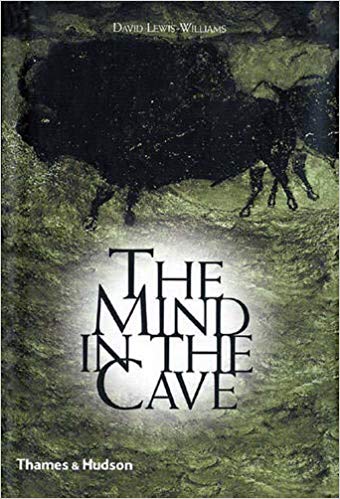 The Mind in the Cave: Consciousness and the Origins of Art [2002] –








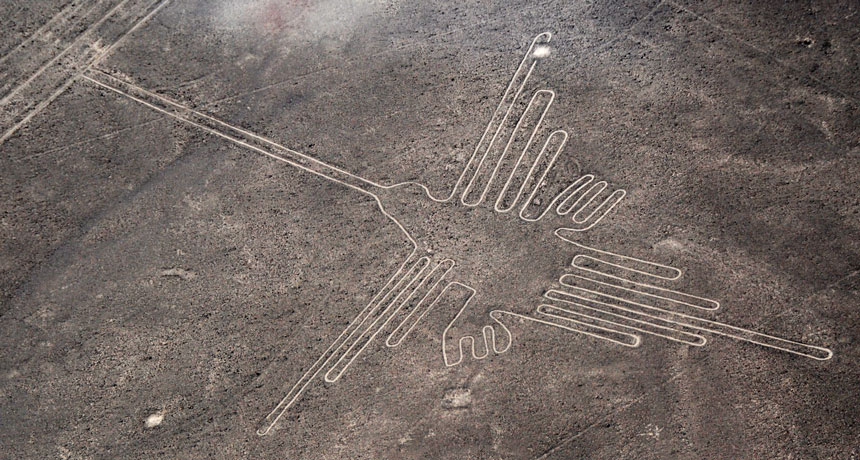


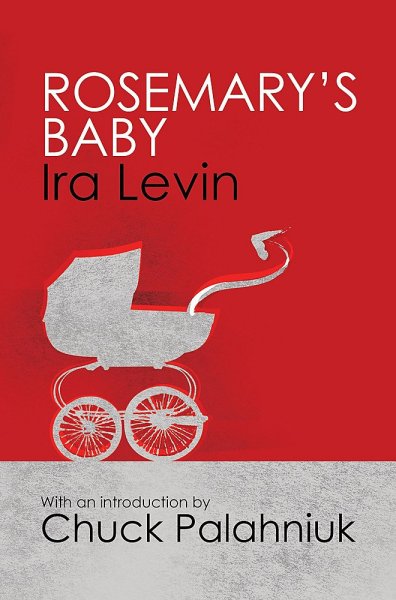 I.
I. 

 I. A Woman Ghost Appeared From a Well (The Mansion of the Plates)
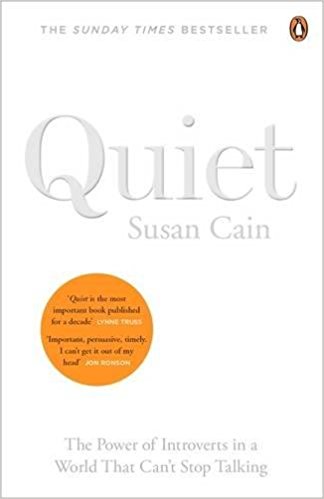


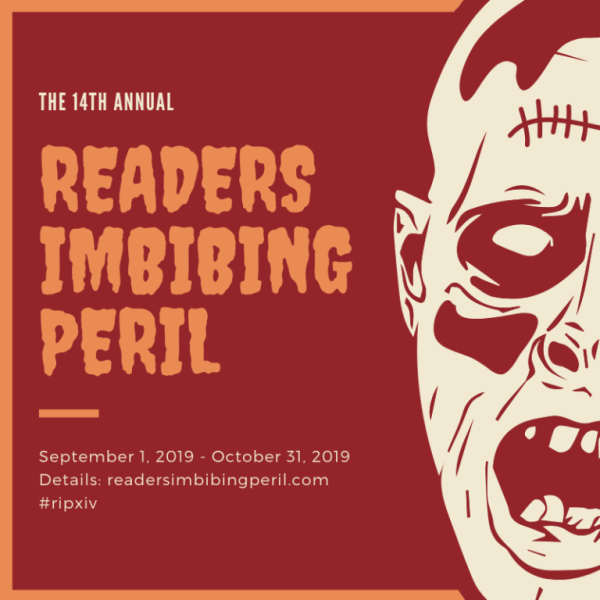 It is not long now until that spooky period of the year begins when we have to be careful if we do not want to become victims of witches, goblins and vampires. Halloween has always been my favourite festivity, maybe because I was born near this period and have always been fascinated by mysteries and the unknown. Thus, this year I have decided to participate in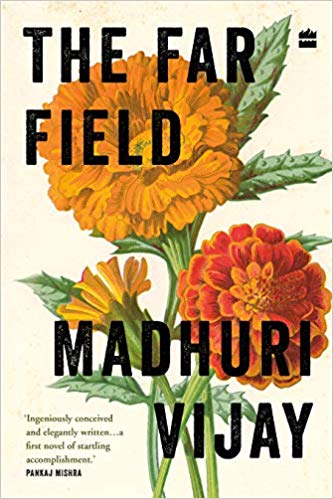


 I. ARIES – Name a book you’ve read that was full of fire, desire, and passion

 “Sometimes when she is able to spend the night with him they are wakened by the three minarets of the city beginning their prayers before dawn. He walks with her through the indigo markets that lie between South Cairo and her home. The beautiful songs of faith enter the air like arrows, one minaret answering another, as if passing on a rumour of the two of them as they walk through the cold morning air, the smell of charcoal and hemp already making the air profound. Sinners in a holy city” (Michael Ondaatje, The English Patient, 1992: 154).





 Thoughts on Papyrus