Woven tapestries date as far back as the times of ancient Egypt, and the most famous series of medieval tapestries is probably The Lady and the Unicorn [c. 1460]. This mysterious series of tapestries has each piece representing one of the five senses (taste, hearing, sight, smell and touch), as well as the elusive sixth sense or concept titled only as À mon seul désir. These tapestries’ precise meaning remains unclear, and the same theme can also be seen in the series of paintings by Brueghel the Elder and Peter Paul Rubens‘ titled The Five Senses [1617-18]. While some medieval tapestries focus on scenes from the lives of nobility, including royal hunting and tournaments, others centre on everyday life, religious themes and landscapes. Below are four tapestries from the Middle Ages which are as beautiful as they are enigmatic.
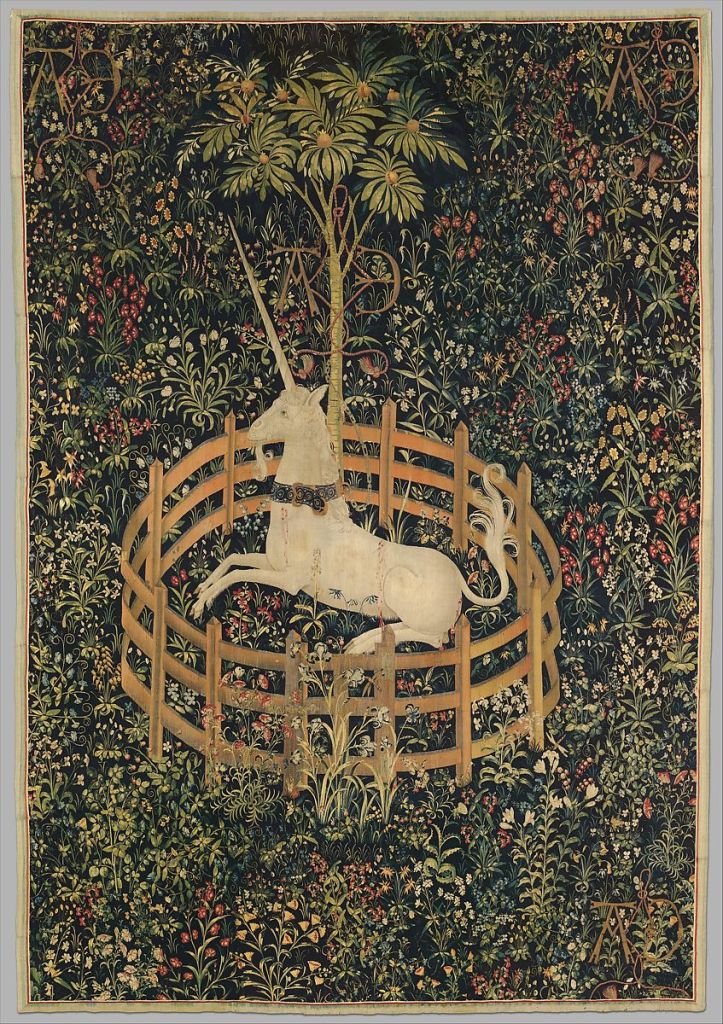
The Unicorn Rests in a Garden/The Unicorn in Captivity (the Unicorn Tapestries) [1495 – 1505]
Woven from a French design in either Belgium or the Netherlands, the so-called “Unicorn Tapestries” are a series of tapestries that are often considered to be the most beautiful and enigmatic of all arts that survived to us from the Middle Ages. The tapestry on the right shows a unicorn in captivity, and is probably a part of this series of six other woven artworks that all show the entrapment of a mythical animal – the magical unicorn.
As part of other “Unicorn” tapestries, The Unicorn in Captivity represents the culmination of an arduous work – the sighting, the taming and the capture of the animal that ancient sources say could only be tamed by a virgin. Thus, the tapestries show the hunting for and the trapping of this magnificent animal by various huntsmen. However, the precise symbolic meaning of the tapestries still eludes historians and critics who point out this or that mysterious detail in the tapestries, discuss the various sequences in which the tapestries could be presented and their mysterious origin, and, generally, debate their multiple interpretations. Interpretations that rely on pagan and Christian symbolism, as well as on alchemy (“unseen forces finally seen and conquered”) were all proposed. Moreover, those who believe that The Unicorn in Captivity is a standalone tapestry say that the artwork may simply symbolise “the desire finally tamed”, one’s beloved finally “captured in the nets of his or her lover’s charm”, an allegory of “love being triumphant” and “a subject of affection conquered”. Those who favour the latter interpretation point out that the unicorn seems to be at peace and even content in its confinement (the fence is not high and the animal may escape since it is not securely chained to the tree). Also, the presence of “ripe pomegranates” on the tree pictured may symbolise both marriage and fertility. The tapestry can be found at the Metropolitan Museum of Art in New York, NY, US.
Continue reading “The Beauty & Mystery of Medieval Tapestries” →







































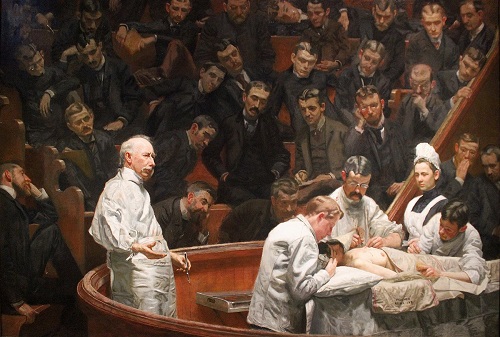
 I. The Butchering










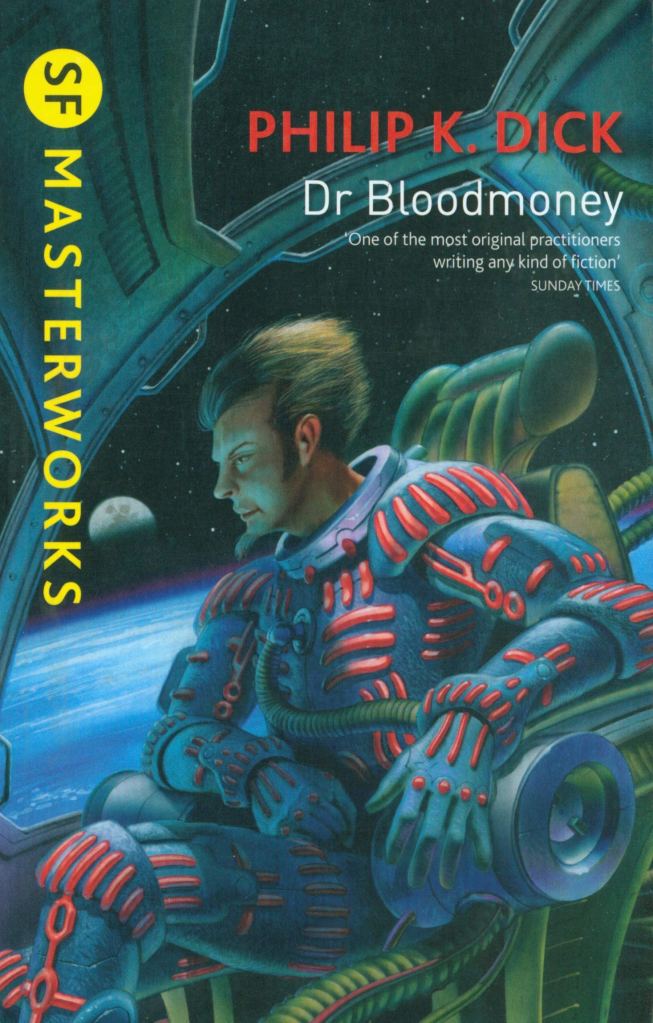


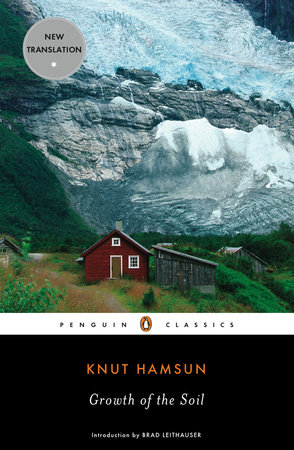

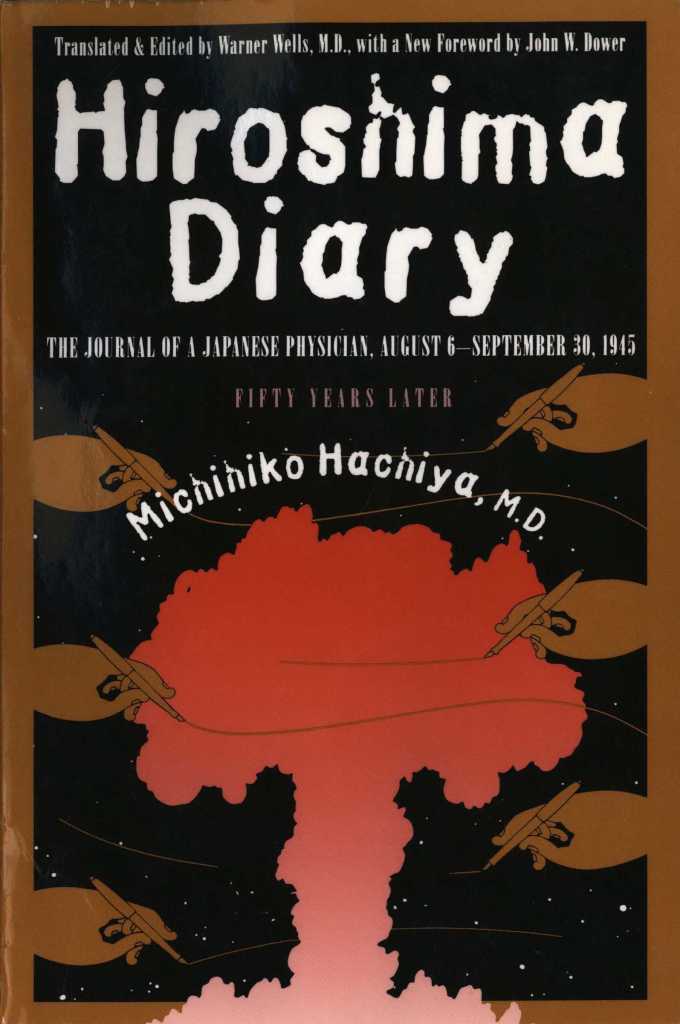



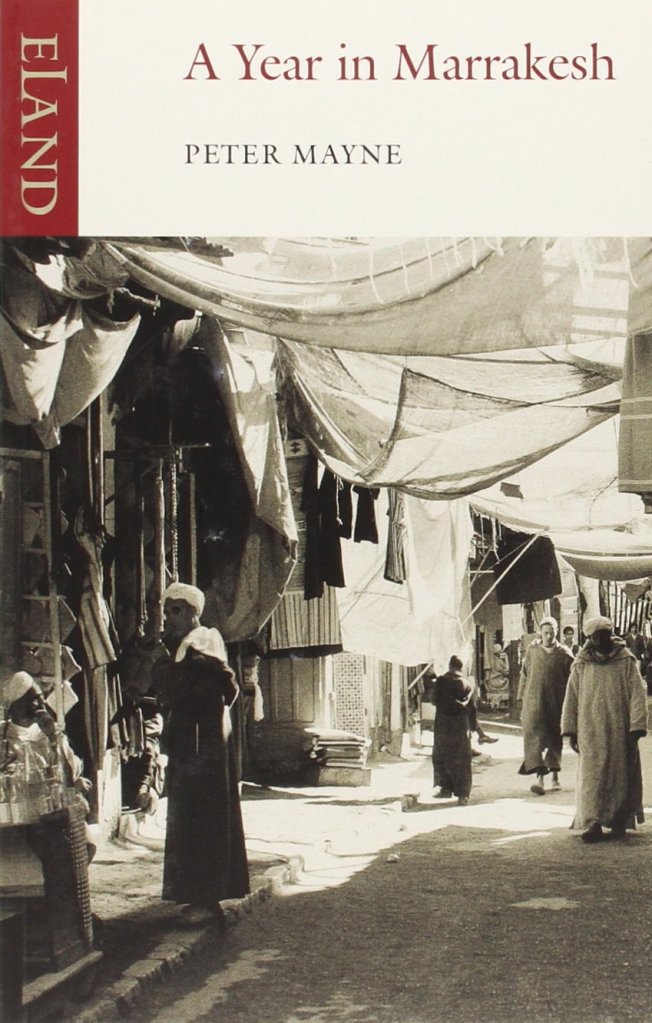







 The Woman in the Window is a 2018 debut thriller and international bestseller by A. J. Finn (Dan Mallory), which sold millions of copies, with the film based on the book to be released in 2020 starring Julianne Moore. Daily Express called the book “masterpiece of storytelling” and Stephen King said that it was “unputdownable”. Saving April is a 2016 lesser-known book by Sarah A. Denzil, released two years before The Woman in the Window and first being available in an e-book format. As I will show below, the similarities between the two books are overwhelming, both in their scope and in their nature, and, clearly, Finn took everything that he possibly could from Denzil’s thriller to write his bestseller. Jane Harper noted that Finn is “a tremendous new talent”. By the end of my comparison, it may become clear that the only talent Finn possibly has (apart from insolence) is taking nearly all of other writers’ ideas, elaborating on them slightly and then passing others’ stories as his own.
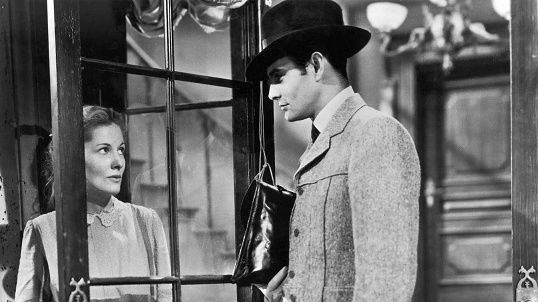
 Both books undoubtedly drew inspiration from classic film noir, especially from Hitchcock’s Rear Window [1954] and Amiel’s Copycat [1995] as well as from such books as Gone Girl [2012] and The Girl on the Train [2015]. However, even though The Woman in the Window feels like a more accomplished and elaborate book that Saving April, it is still the same exact story as Saving April and the similarities between the two are too numerous in their number and too close in their nature for there to be any talk of “inspiration” or “simple source”. In fact, the two stories are so similar that Saving April can be the first/second/third draft of The Woman in the Window. Reading the two thrillers side-by-side, one may become immediately confused which part they read in which book – so similar they are in virtually every way.
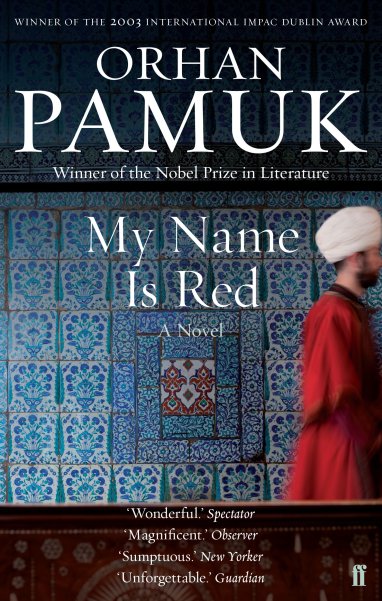







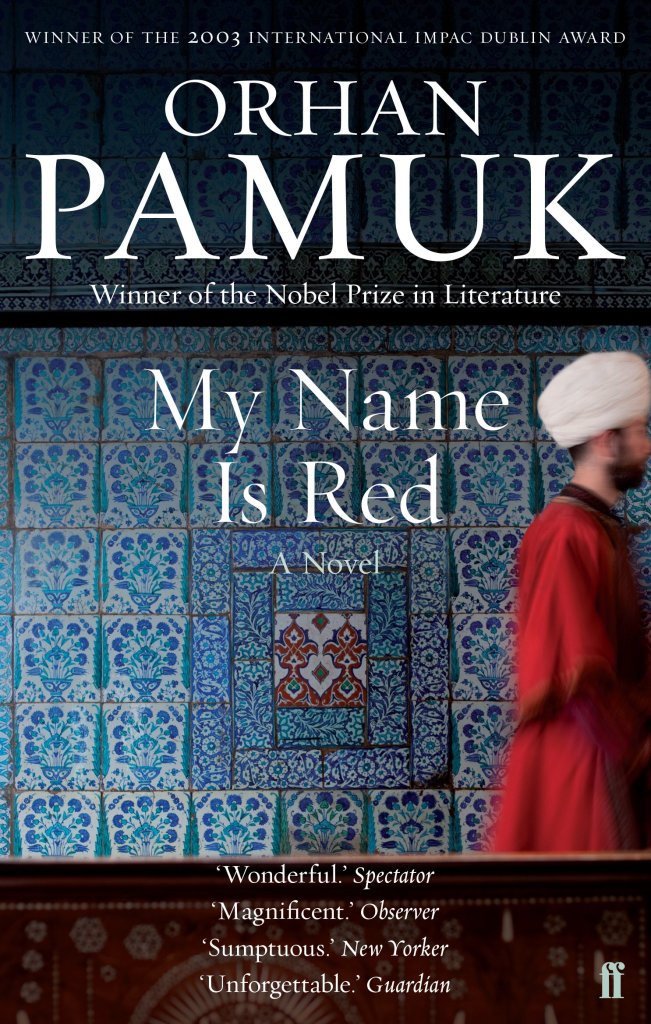
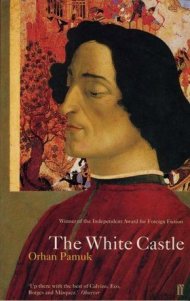 I. The White Castle [1984] by Orhan Pamuk
 I.
I. 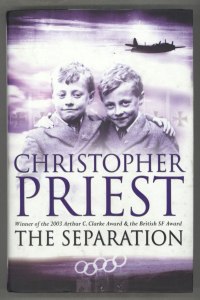 I. The Separation [2002] by Christopher Priest
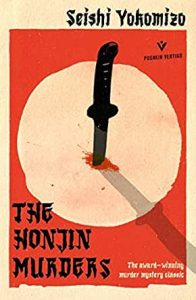

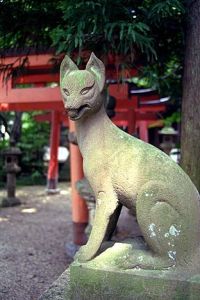 I. Inari Shrines

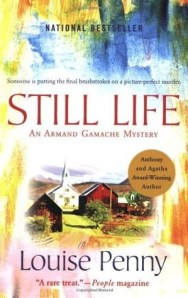 I. Secrets and lies: a book set in a sleepy small town
  II. Salt and sand: a book with a beach-side community

 I.
I.

 I.
I. 
