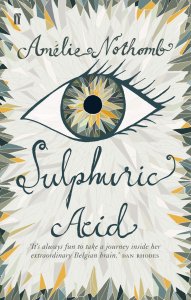
 Sulphuric Acid [2005/2007] – ★★★★
This book is by a Belgian author Amélie Nothomb, who was born in Japan, but now resides in Paris. Translated from the French by Shaun Whiteside, Sulphuric Acid is a short novella which quite shockingly and darkly satirises our obsession with TV, in particular with reality television, and our idolisation of celebrities. Probably taking some inspiration from Koushun Takami’s Battle Royale (1999), Sulphuric Acid is a dystopia-set story in which millions of people tune in every night for a TV programme called Concentration, which recreates a Nazi-style concentration camp with real participants. People in this programme take either the roles of guards or prisoners, with cameras catching their every move. Nothomb packs a lot of ideas into her novella of just over 120 pages, and she is very interested to explore human responses to some unthinkable situations, as we follow the main characters – a beautiful young woman Pannonique, one of the prisoners, and sadistic Zdena, one of the guards. Continue reading “Review: Sulphuric Acid by Amélie Nothomb”
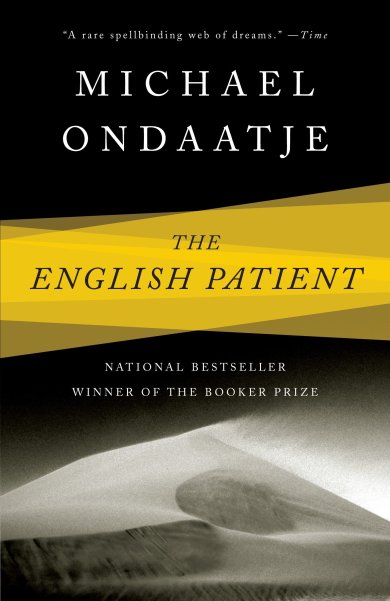 “Sometimes when she is able to spend the night with him they are wakened by the three minarets of the city beginning their prayers before dawn. He walks with her through the indigo markets that lie between South Cairo and her home. The beautiful songs of faith enter the air like arrows, one minaret answering another, as if passing on a rumour of the two of them as they walk through the cold morning air, the smell of charcoal and hemp already making the air profound. Sinners in a holy city” (Michael Ondaatje, The English Patient, 1992: 154).




 I. Twelve Who Ruled: The Year of The Terror in the French Revolution [1941] by R.R. Palmer – ★★★★1/2


 The Interestings [2013] –
 I. A translated novel you would recommend to everyone:


 I. Which book, most recently, did you not finish?
  I. Witches’ Sabbath [1798]
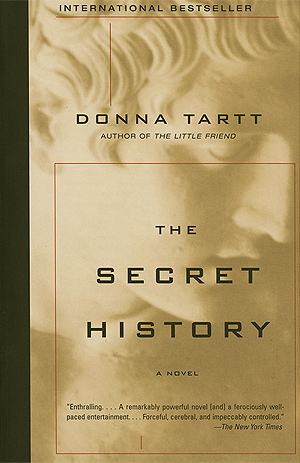

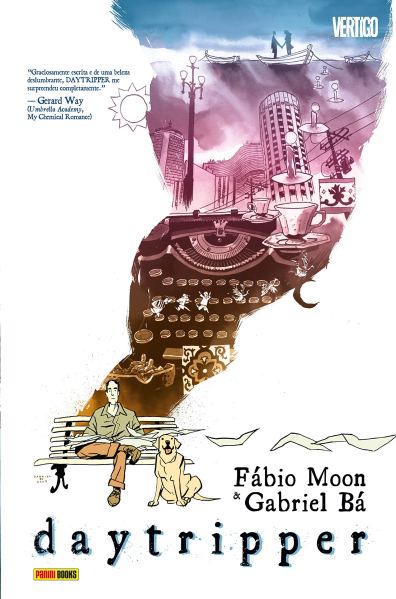


 I.
I. 





 I. Totally should’ve gotten a sequel
  II. T
II. T

 I.
I. 









 Serena [2008] – ★★★★1/2
 II. What do you consider to be the best book-to-film adaptation?


![Unpopular Opinion: Hergé’s “Prisoners of the Sun (Le Temple du Soleil)” [1949]](https://thoughtsonpapyrus.com/wp-content/uploads/2019/05/tintin-prisoners-of-the-sun.jpg?w=724&h=1&crop=1)


 “Knowledge itself is power…but none of…knowledge is of the least use until it is informed by understanding. Knowledge is simply a kind of fuel; it needs the motor of understanding to convert it into power”
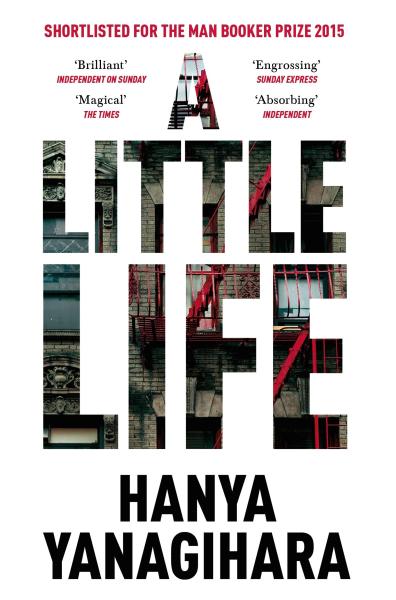


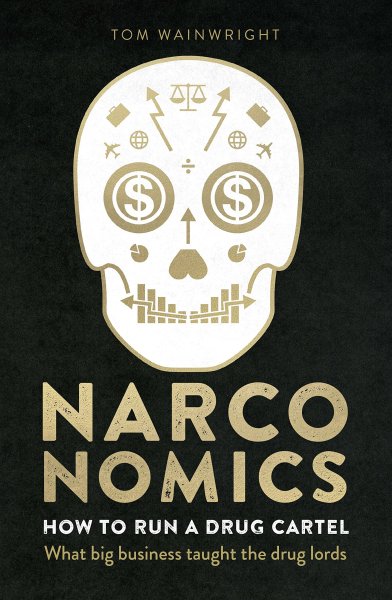
 “Each face, each stone, of this venerable monument, is a page of the history, not only of the country, but of the science and the art” (Victor Hugo, The Hunchback of Notre-Dame [1831: 110]).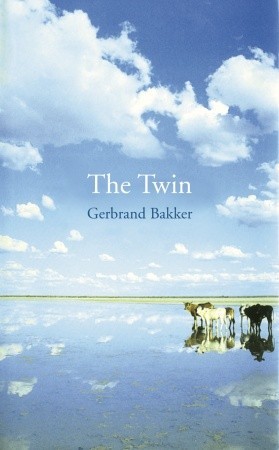




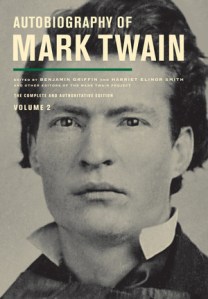 “What a wee little part of a person’s life are his acts and his words! His real life is lead in his head, and is known to none but himself. All day long, and every day, the mill of his brain is grinding, and his thoughts, (which are but the mute articulation of his feelings,) not those other things are his history. His acts and his words are merely the visible thin crust of his world, with its scattered snow summits and its vacant wastes of water-and they are so trifling a part of his bulk! a mere skin enveloping it. The mass of him is hidden-it and its volcanic fires that toss and boil, and never rest, night nor day. These are his life, and they are not written, and cannot be written” [
 The People in the Trees [2013] –


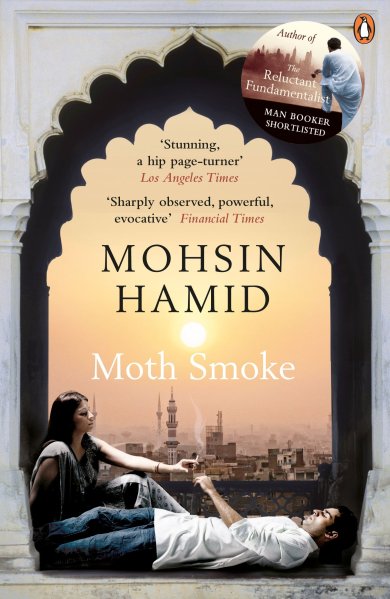
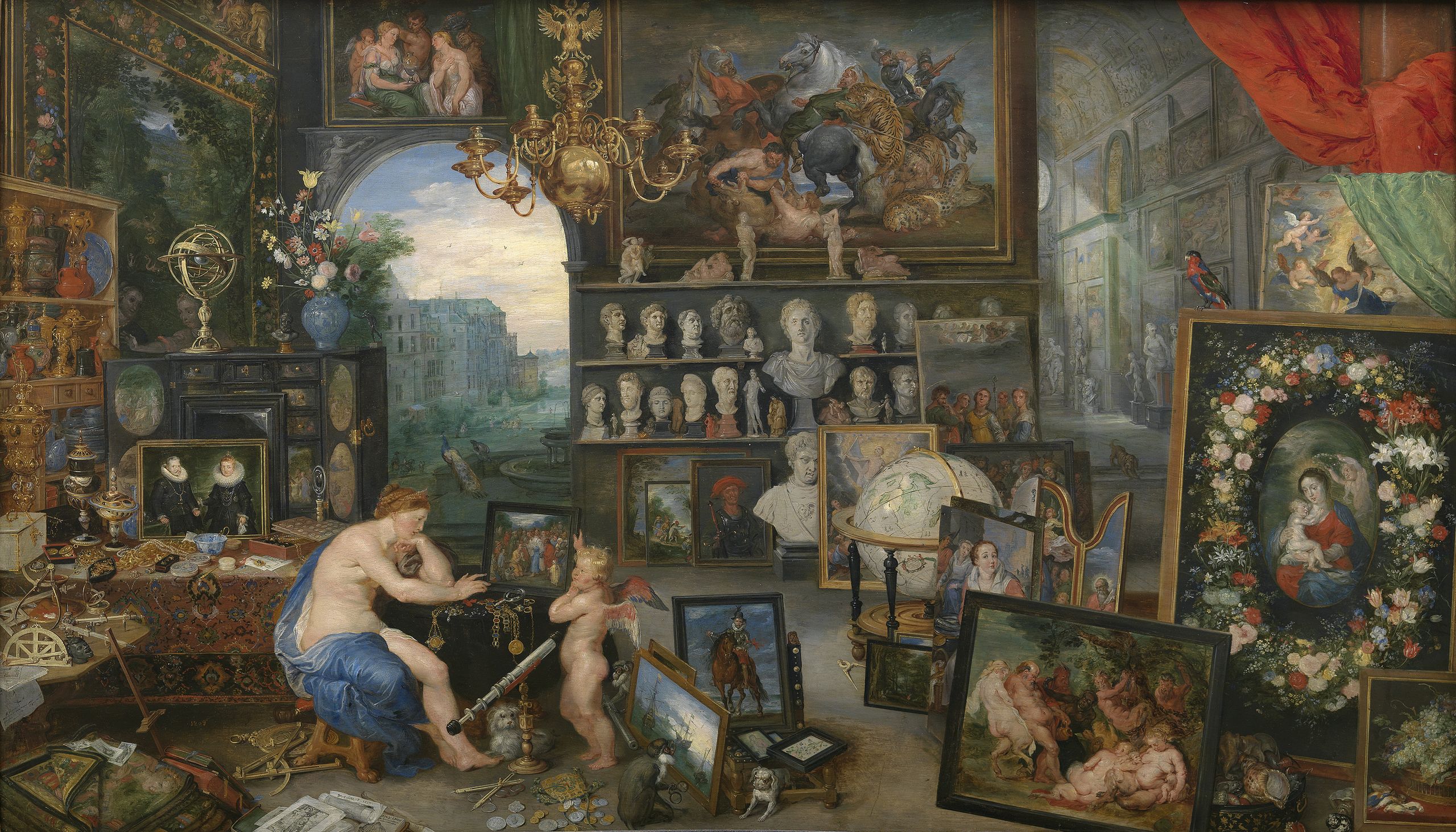


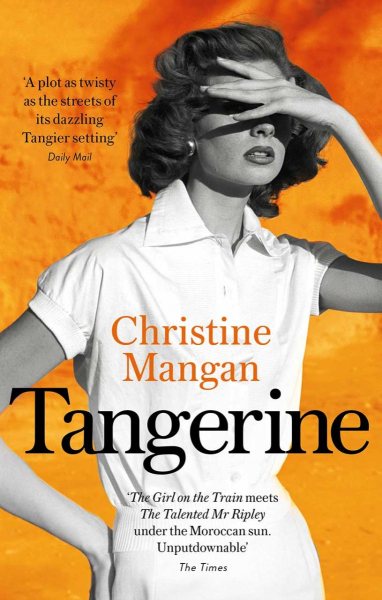
 I noticed this tag yesterday at
  I. Designated Driver: What re-read book is reliable to get you out of a reading slump?
 I. Memory [1948]
 Please Look After Mother [2008] – ★★★★
  “He is already part of you. Though you fly to Greece, and never see him again, or forget his very name, George will work in your thoughts till you die. It isn’t possible to love and to part. You will wish that it was. You can transmute love, ignore it, muddle it, but you can never pull it out of you. I know by experience that the poets are right: love is eternal”


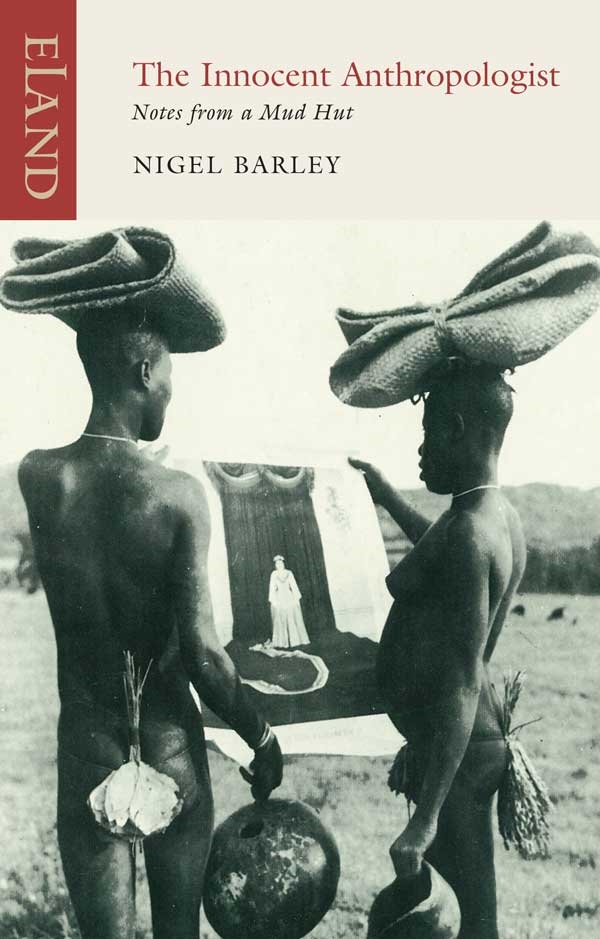 The Innocent Anthropologist: Notes from a Mud Hut [1983] by





 For this challenge I am going for a very modest goal of reading 12 books by Asian authors by the end of the year, and will be updating my progress on

 I. Sir John Soane’s Museum
 “He was not sure that he wanted to see the Countess Olenska again; but ever since he had looked at her from the path above the bay he had wanted, irrationally and indescribably, to see the place she was living in, and to follow the movements of her imagined figure…The longing was with him day and night, an incessant undefinable craving, like the sudden whim of a sick man for food and drink once tasted and long since forgotten. He could not see beyond the craving, or picture what it might lead to…He simply felt that if he could carry away the vision of the spot of earth she walked on…the rest of the world might seem less empty” [Edith Wharton, 1920: 191].

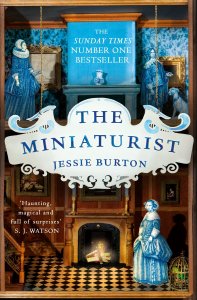 The Miniaturist [2014] – ★★
 II. Brave New World [1932] by Aldous Huxley



 Thoughts on Papyrus
