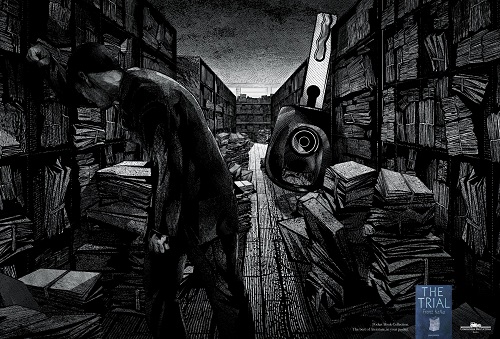


The Decagon House Murders [1987/2015] – ★★1/2
This book, translated from the Japanese by Ho-Ling Wong, “was seen as a milestone in detective fiction and the start of the shin honkaku (new orthodox) movement” [1987/2015: 228]. That movement was a revival of the traditional “logical reasoning” detective fiction in Japan that was prevalent in the Golden Age of detective fiction in the 1920s. The new movement was characterised by robot-like personages, game-like settings, and the lack of literary context or significance, being purely about solving a whodunit mystery using logical reasoning. Heavily influenced by Agatha Christie’s And Then There Were None, The Decagon House Murders is about seven Japanese students who decide to stay on an isolated island not far from the main land in the mysterious Decagon House. Some months previously there occurred the mysterious deaths of the owner of the property, his wife and their two servants. The students on the island are then start to be “killed off” in the fashion reminiscent of that in Agatha Christie’s famous novel. The book premise is exciting, but it also reads like a videogame script with little character insight, context or emotion (which is intentional, but may not be for everyone), and the final solution is, arguably, too unbelievable and underwhelming.
Continue reading “Review: The Decagon House Murders by Yukito Ayatsuji”





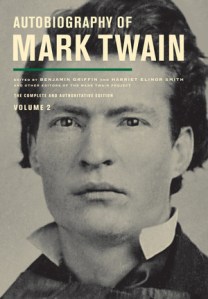 “What a wee little part of a person’s life are his acts and his words! His real life is lead in his head, and is known to none but himself. All day long, and every day, the mill of his brain is grinding, and his thoughts, (which are but the mute articulation of his feelings,) not those other things are his history. His acts and his words are merely the visible thin crust of his world, with its scattered snow summits and its vacant wastes of water-and they are so trifling a part of his bulk! a mere skin enveloping it. The mass of him is hidden-it and its volcanic fires that toss and boil, and never rest, night nor day. These are his life, and they are not written, and cannot be written” [


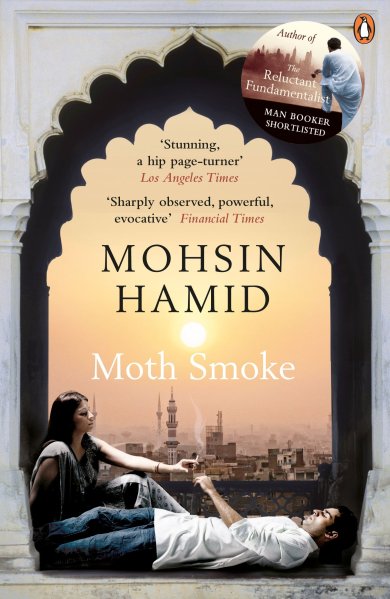


 I noticed this tag yesterday at
  I. Designated Driver: What re-read book is reliable to get you out of a reading slump?



 “He is already part of you. Though you fly to Greece, and never see him again, or forget his very name, George will work in your thoughts till you die. It isn’t possible to love and to part. You will wish that it was. You can transmute love, ignore it, muddle it, but you can never pull it out of you. I know by experience that the poets are right: love is eternal”









 For this challenge I am going for a very modest goal of reading 12 books by Asian authors by the end of the year, and will be updating my progress on

 I. Sir John Soane’s Museum

 “He was not sure that he wanted to see the Countess Olenska again; but ever since he had looked at her from the path above the bay he had wanted, irrationally and indescribably, to see the place she was living in, and to follow the movements of her imagined figure…The longing was with him day and night, an incessant undefinable craving, like the sudden whim of a sick man for food and drink once tasted and long since forgotten. He could not see beyond the craving, or picture what it might lead to…He simply felt that if he could carry away the vision of the spot of earth she walked on…the rest of the world might seem less empty” [Edith Wharton, 1920: 191].

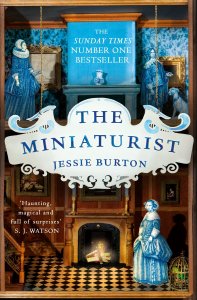 The Miniaturist [2014] – ★★
 II. Brave New World [1932] by Aldous Huxley






 Nearby, there is also the infamous and majestic-looking, in all its Gothic glory, Dakota Building, which was built in 1884 across from Central Park and was the city’s first luxury apartment block. It notoriously housed a number of celebrities, including Leonard Bernstein, Rosemary Clooney, Boris Karloff, Judy Garland and Rudolf Nureyev. The interesting trivia here is that the building has its own in-house power plant to provide heating for its notable residents, and the applicants who were rejected by the board to be residents include Cher, Madonna and Antonio Banderas. The site can now be considered strangely eerie and tragic since in the building’s entrance corridor occurred the murder of John Lennon and the building also features in the psychological horror by Roman Polanski Rosemary’s Baby [1968].
 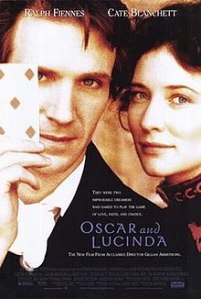 “There was, she thought, so much to be said in favour of a game of cards. One was not compelled to pretend, could be silent without being dull, could frown without people being overtly solicitous about one’s happiness, could triumph over a man and not have to giggle and simper when one did it. One could kill time, obliterate loneliness, have a friendship with strangers one would never see again and live on that sweet, oiled cycle of anticipation, the expectation that something delicious was about to happen”

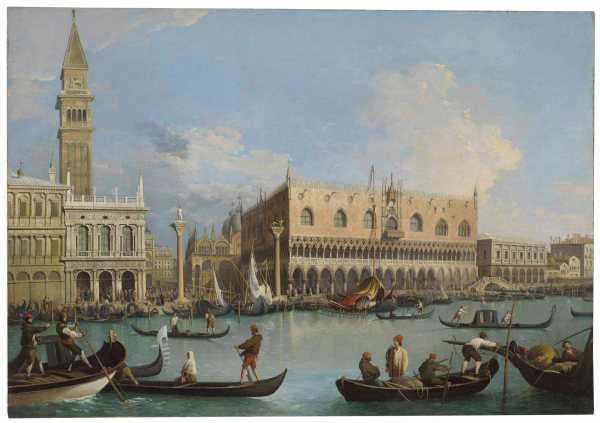 “Nothing is stranger or more ticklish than a relationship between people who know each other only by sight, who meet and observe each other daily – no hourly – and are nevertheless compelled to keep up the pose of an indifferent stranger, neither greeting nor addressing each other, whether out of etiquette or their own whim. Between them there exists a disquiet, a strained curiosity, the hysteria of an unsatisfied, unnaturally repressed need for recognition and exchange of thoughts – and also, especially, a sort of nervous respect. For one person loves and honours another only as long as he is unable to assess him, and yearning is a result of a lack of knowledge” (Thomas Mann, Death in Venice [1912:41]).
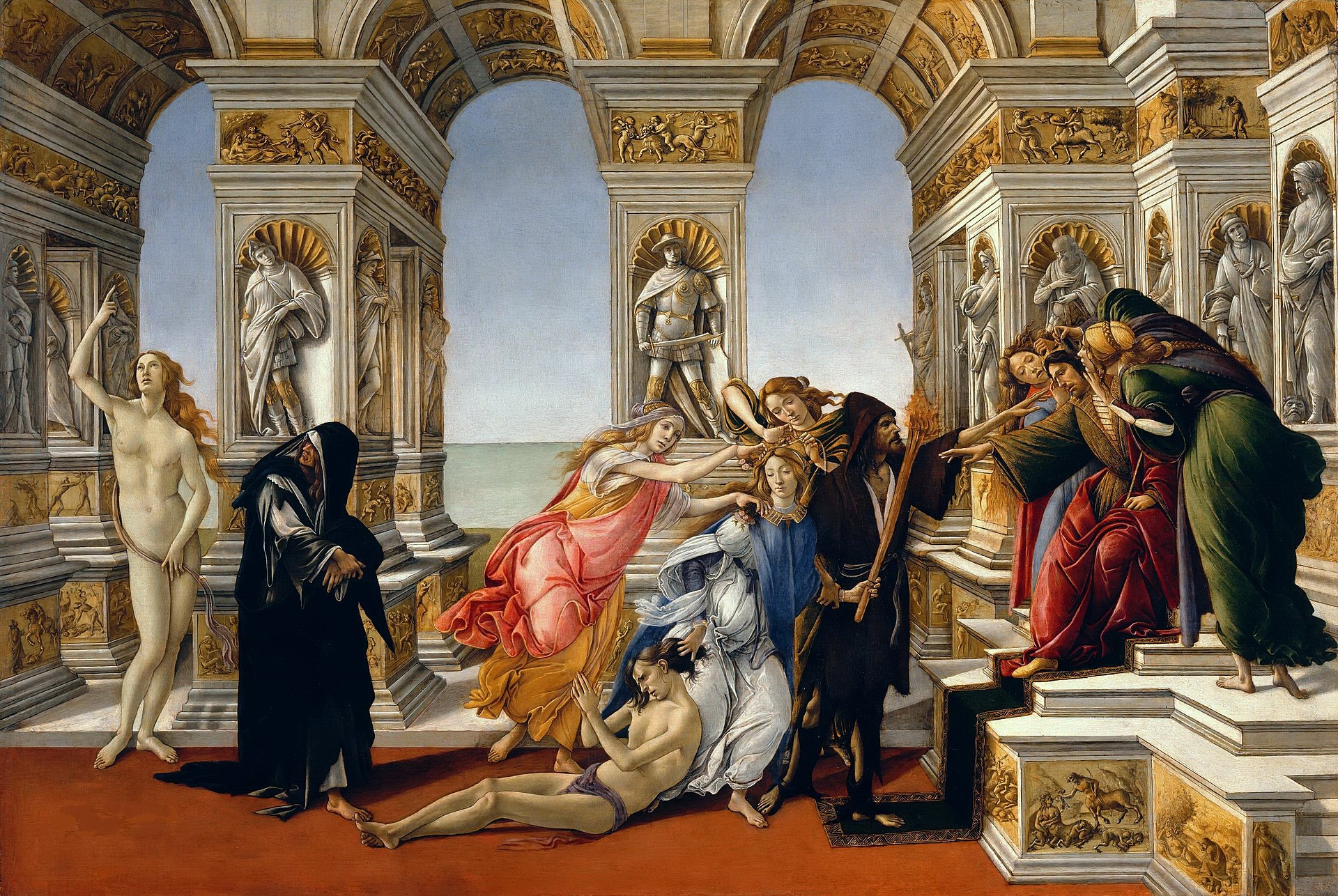
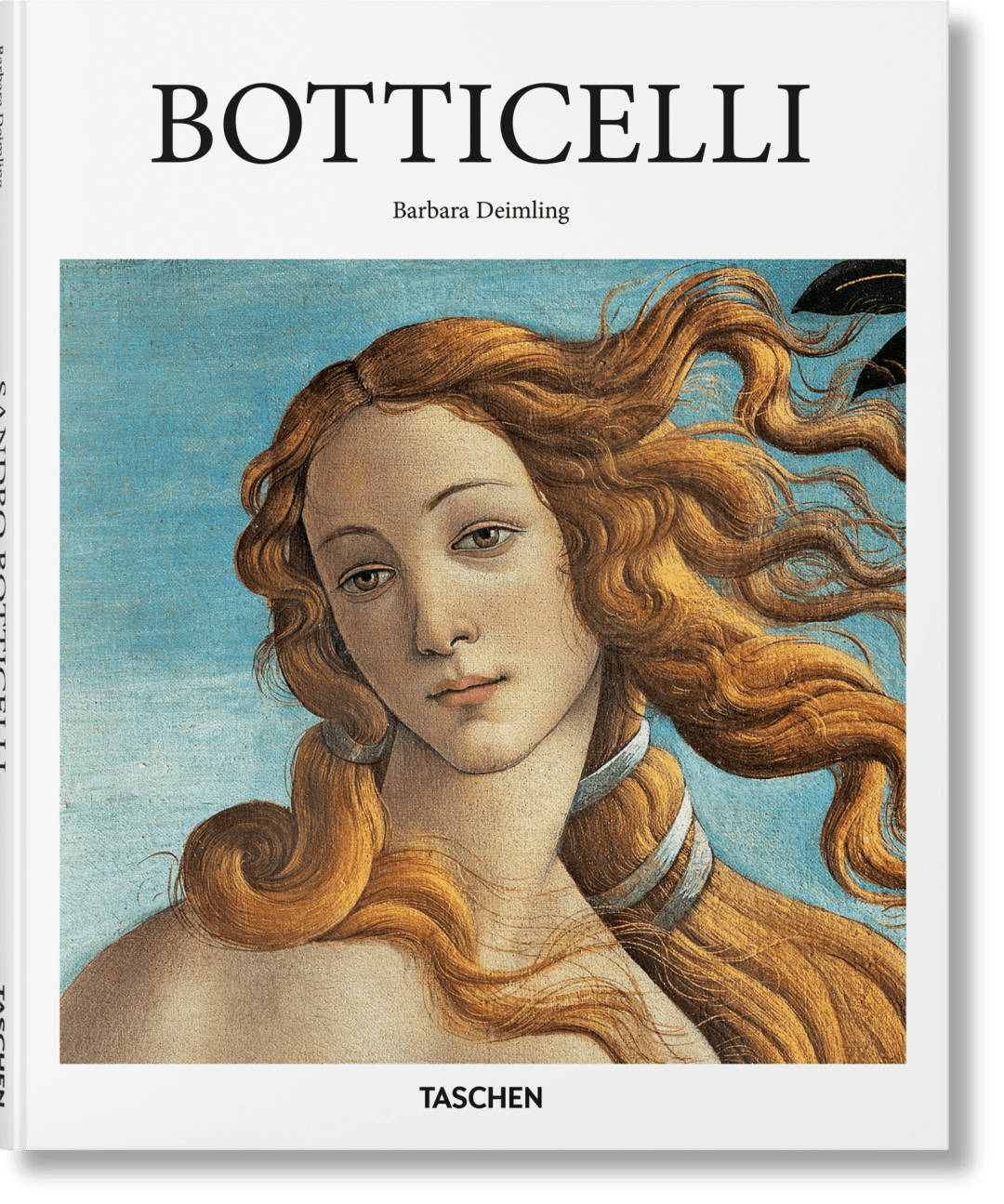


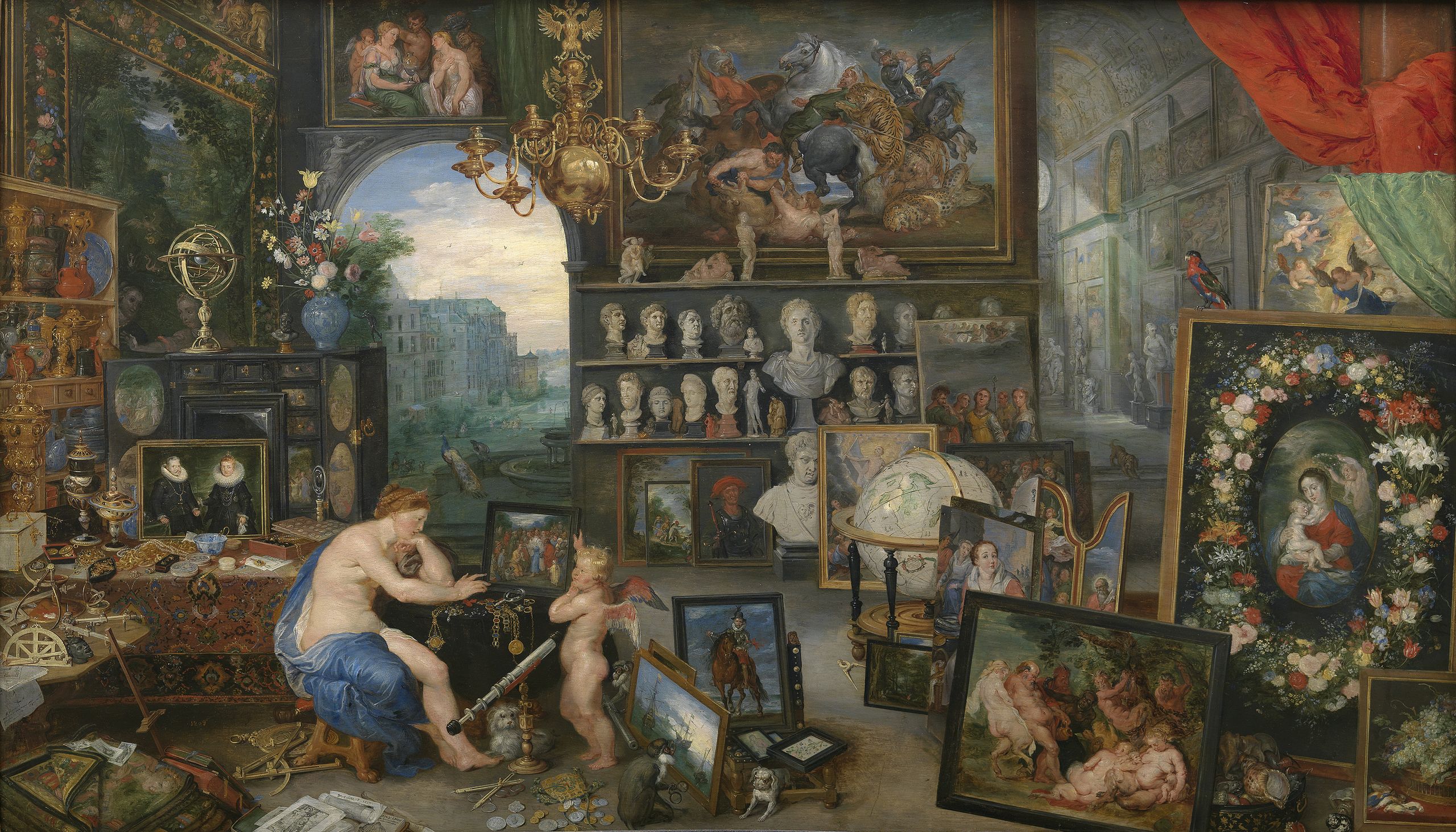
 These are the portraits painted by
  I. In Praise of Shadows [1933] by Junichiro Tanizaki
  II. Quiet [2012] by Susan Cain


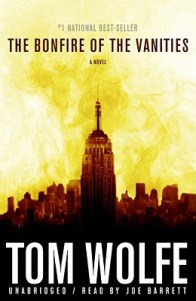 I. The Bonfire of the Vanities [1987] by Tom Wolfe
  II. Breakfast at Tiffany’s [1958] by Truman Capote

 Favourite book: Revolutionary Road by Richard Yates
  Book that drowned you in feels: The Remains of the Day by Kazuo Ishiguro