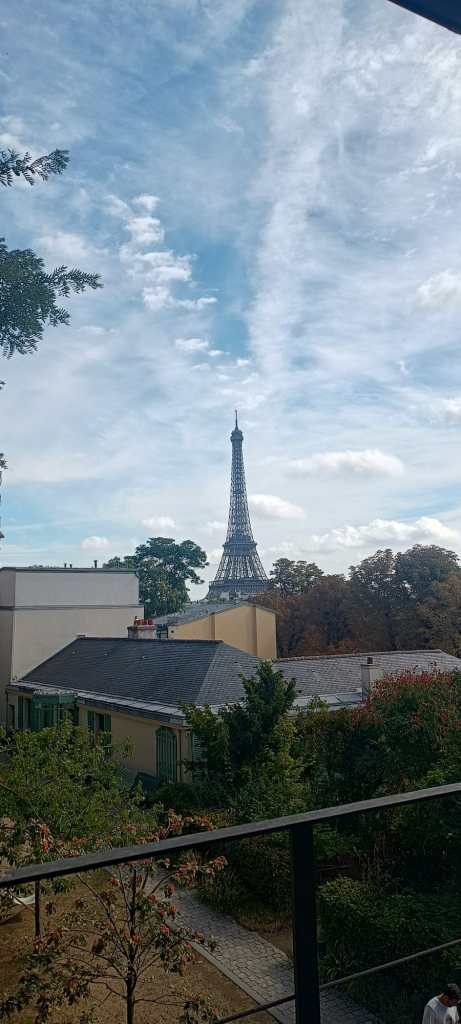
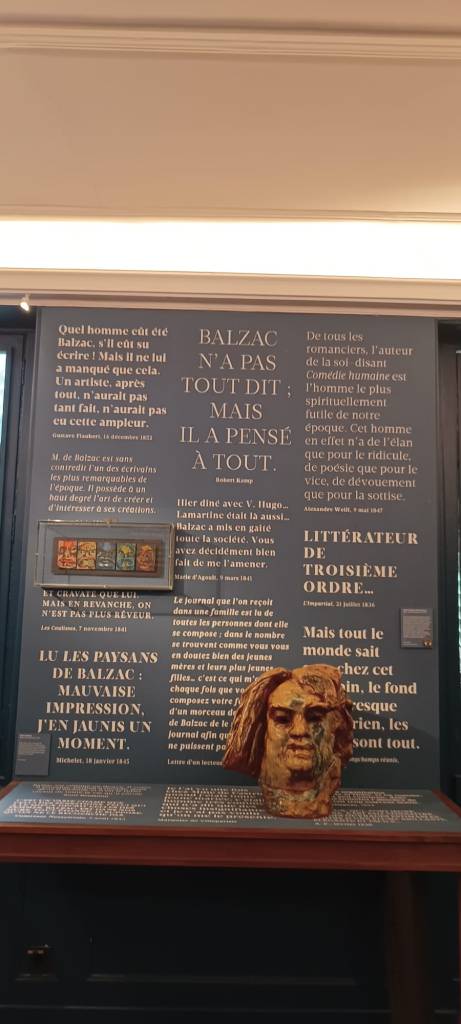
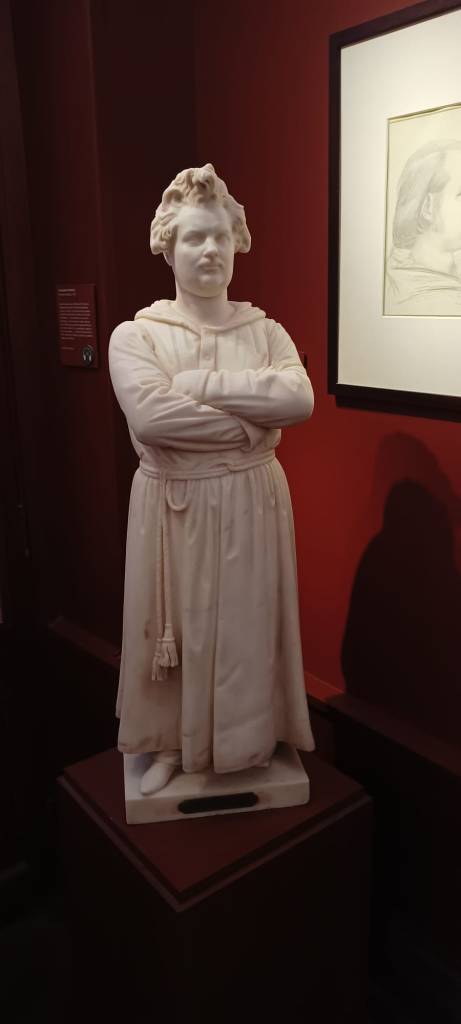
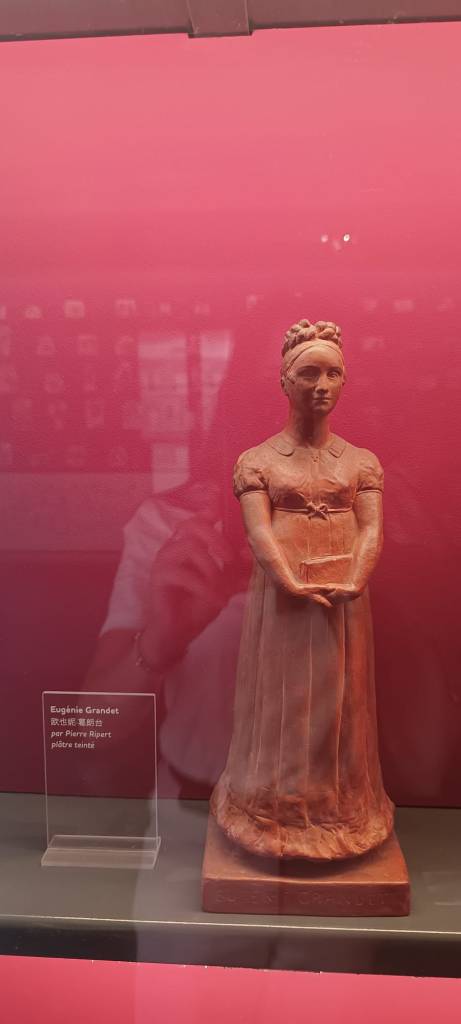
I have recently returned from a short trip to Paris, and am sharing my highlights. The weather was warm, and I managed to visit a couple of parks, but below am focusing on the museums, including the Maison de Balzac, found at the 16th arrondissement, and which I have been wanting to explore for ages because I love Balzac’s work. It is hard to tell which of Balzac’s novels is my favourite, though – Le Père Goriothas great characterisations, Lost Illusions and The Black Sheep are masterpieces of dramatic contrast, & Eugénie Grandet is compact, but emotional, and has a special place in my heart.
I have recently returned from my trip to Paris, and thought I would talk about the three museums I managed to fit into my itinerary.
Grande Galerie de l’Évolution
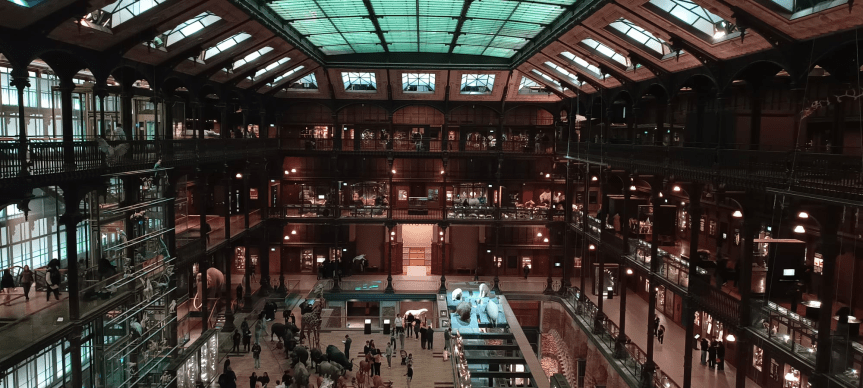
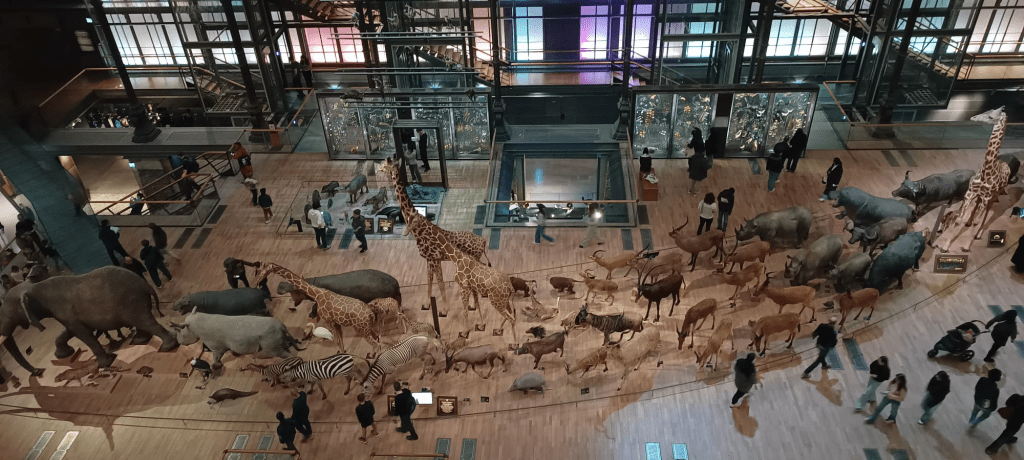
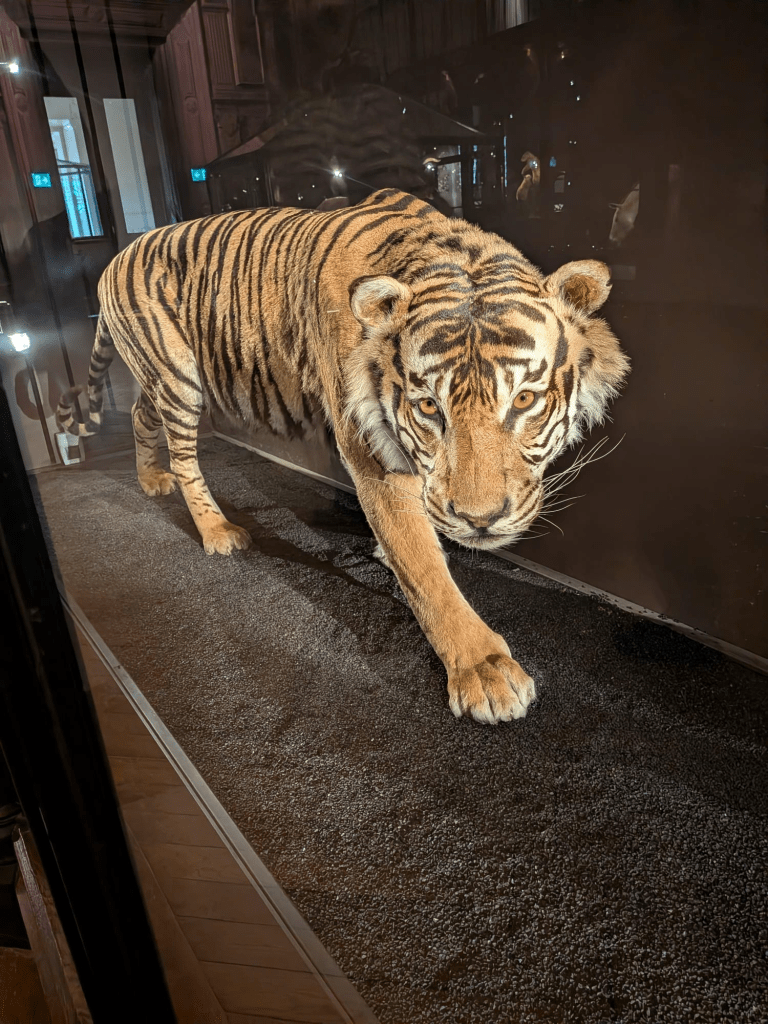
Situated inside the Jardin des Plantes, Paris’s botanical garden, the Gallery of Evolution has its roots in the seventeenth century France and was reopened in its present state in 1994. It is an exhibition across four expansive floors displaying 7.000 specimens categorised by the steps in evolution. The focus is on biodiversity, evolution of life, marine life, human inventions and humanity’s impact on the environment. Not to be missed is also the cabinet of extinct and disappearing species, where there are on display such extinct species as the thylacine or Tasmanian tiger, once native to Australia (land), Tasmania and New Guinea (see the picture below), and the quagga, an extinct subspecies of the plains zebra. I thought it was a lovely place with a modern feel, impressive immersive elements, such as natural sound effects (storm, insects sounds), and a well-curated collection.
Address:36 Rue Geoffroy Saint-Hilaire, 75005 Paris.
I have just got back from my (and my twin brother’s)birthday trip to Paris, and I thought I would share some highlights. The weather was surprisingly warm, and my family and I enjoyed the city’s autumnal foliage, tucking into our French onion soups, and just wondering around Paris at this time of the year. Below are the four cultural stops I made during this trip.
I have recently returned from my trip to Paris, France and am sharing my highlights. Though the big attraction of my trip was the Musée de Cluny, there are some smaller, “off-the-beaten track” museums in Paris that I have also always wanted to visit, and I present two of them at the end of my post.
Musée national du Moyen Âge, Paris @ Thoughts on Papyrus.
Musée de Cluny
Address: 28 Rue du Sommerard, Latin Quarter, Paris; Metro: Cluny – La Sorbonne. Admission: Ticketed.
The Museum of the Middle Ages is one of the largest collections of medieval art and artefacts in Europe, and is located in the former town-house of the Abbots of Cluny, which also has elements of Gallo-Roman ruins. It has medieval sculptures, tapestries, metal-work, carvings, religious, household and war items, and stained-glass examples on displays. My highlight was, of course, The Lady and the Unicorn series of tapestries, which I have wanted to see for a long time. The beautiful tapestries, with elegant depictions of animals and plants, were woven in the late fifteenth century, and each represents one of the five human senses: touch, sight, hearing, smell and taste. The sixth tapestry, titled A mon seul désir, is said to represent the sixth sense of the heart or intuition.
Chamoiseau’s colonial-themed magnum opus is a story of and by the generations who fought hard for their right to exist and prosper, and it is this unique perspective which makes the book so exceptional.
“You say “History” but that means nothing. So many lives, so many destinies, so many tracks go into the making of our unique path. You dare say History, but I say histories, stories.The one you take for the master stem of our manioc is but one stem among many others.…”
Some books have such a distinct, authentic voice, telling of the plight of ordinary people, that they cannot fail to move, defying logical analyses. Martinique-born Patrick Chamoiseau wrote one such emotionally powerful book with one such distinctive voice, and it is titled Texaco, translated from the French by Rose-Myriam Rejouis and Val Vinokurov. The book, which also received the prestigious Prix Goncourt in 1992, reads almost like a fable, evading strict categorisations.