


News of the World [2016] – ★★★★★
“He broke down the .38, cleaned it, reassembled it. He made a list: feed, flour, ammunition, soap, beef, candles, faith, hope, charity” [Jiles, 2016: 177].
The story begins at Wichita Falls, Texas during the winter of 1870 and centres on Captain Kidd, aged seventy-one, who “travel[s] from town to town in North Texas with his newspapers and read[s] aloud the news of the day to assemblies” [Jiles, 2016: 3]. When Captain Kidd comes across a little girl who has recently been an Indian native and is now abandoned to the newness and vulgarities of the civilised world, Captain promises to deliver the girl back to her German-American family in South Texas. The issue for Captain Kidd is that Johanna was taken captive at the age of six and now, at the age of ten, considers herself a Kiowa. What follows is the journey of two vulnerable people on the treacherous road to the area of San Antonio, where Johanna’s aunt and uncle allegedly await her return. This is not only a tale of an exciting journey through the American South, which delves into the culture of native tribes, but also an emotional journey of two people whose resilience to hardship and kindness to strangers are the only guarantors of their survival.
Continue reading “Review: News of the World by Paulette Jiles”


 Nearby, there is also the infamous and majestic-looking, in all its Gothic glory, Dakota Building, which was built in 1884 across from Central Park and was the city’s first luxury apartment block. It notoriously housed a number of celebrities, including Leonard Bernstein, Rosemary Clooney, Boris Karloff, Judy Garland and Rudolf Nureyev. The interesting trivia here is that the building has its own in-house power plant to provide heating for its notable residents, and the applicants who were rejected by the board to be residents include Cher, Madonna and Antonio Banderas. The site can now be considered strangely eerie and tragic since in the building’s entrance corridor occurred the murder of John Lennon and the building also features in the psychological horror by Roman Polanski Rosemary’s Baby [1968].
 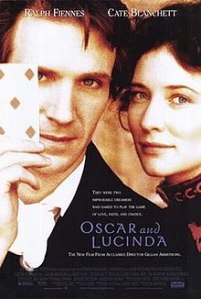 “There was, she thought, so much to be said in favour of a game of cards. One was not compelled to pretend, could be silent without being dull, could frown without people being overtly solicitous about one’s happiness, could triumph over a man and not have to giggle and simper when one did it. One could kill time, obliterate loneliness, have a friendship with strangers one would never see again and live on that sweet, oiled cycle of anticipation, the expectation that something delicious was about to happen”

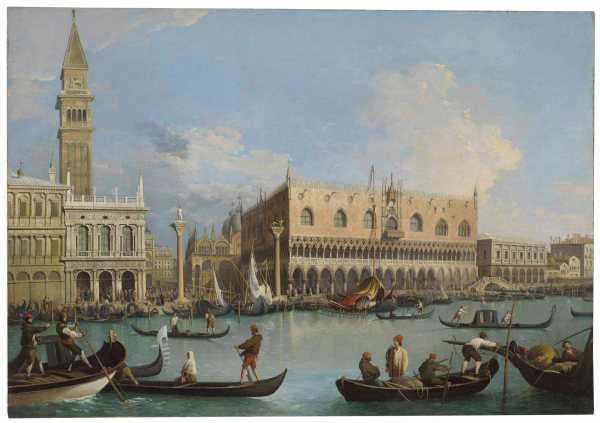 “Nothing is stranger or more ticklish than a relationship between people who know each other only by sight, who meet and observe each other daily – no hourly – and are nevertheless compelled to keep up the pose of an indifferent stranger, neither greeting nor addressing each other, whether out of etiquette or their own whim. Between them there exists a disquiet, a strained curiosity, the hysteria of an unsatisfied, unnaturally repressed need for recognition and exchange of thoughts – and also, especially, a sort of nervous respect. For one person loves and honours another only as long as he is unable to assess him, and yearning is a result of a lack of knowledge” (Thomas Mann, Death in Venice [1912:41]).
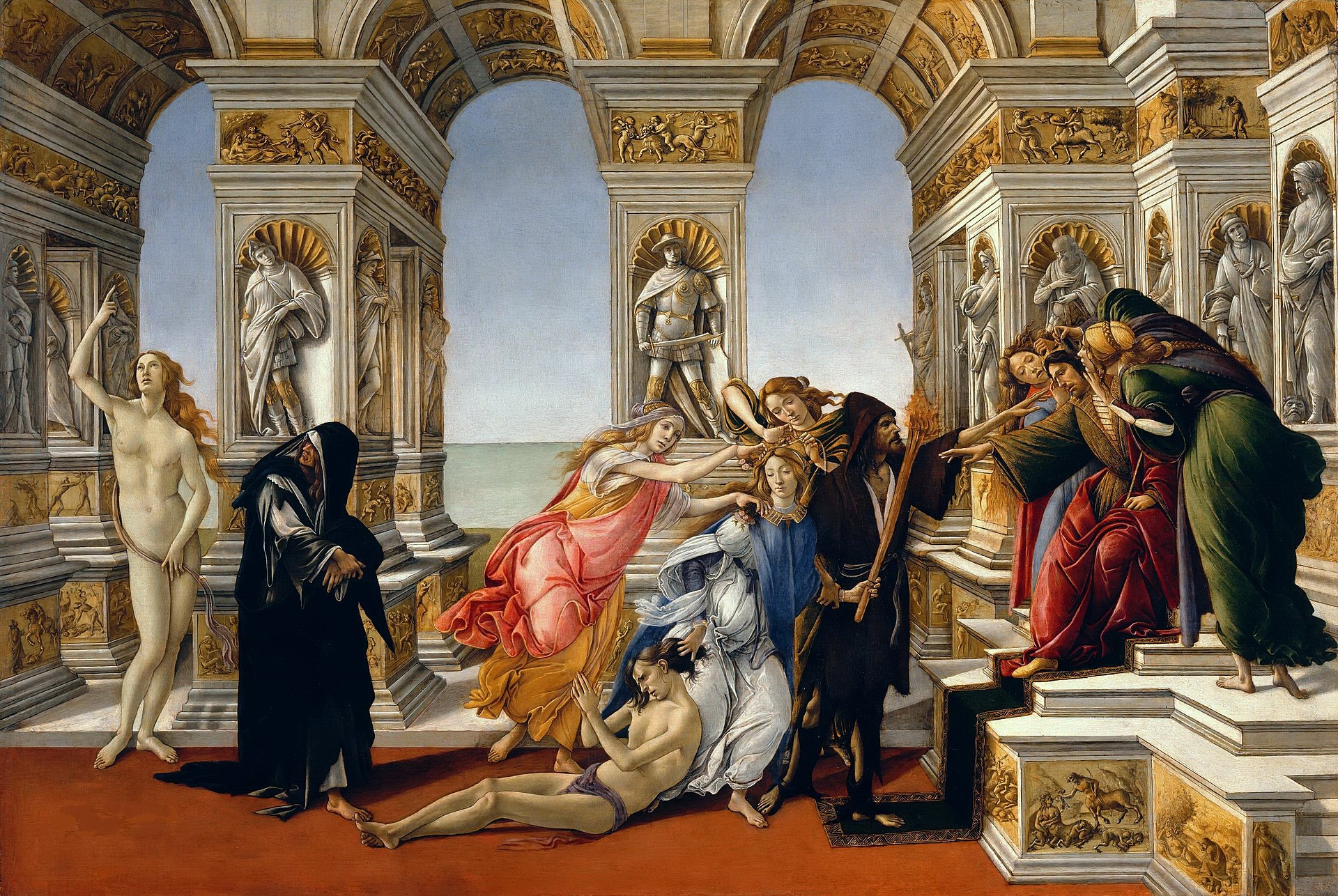 It seems that every allegorical painting opens a door to deeper truth. The Calumny of Appelles was painted by Sandro Botticelli in 1494 from the description of a lost painting by Apelles, a Greek painter, who lived in the 4th century BC.


 These are the portraits painted by
  I. In Praise of Shadows [1933] by Junichiro Tanizaki
  II. Quiet [2012] by Susan Cain
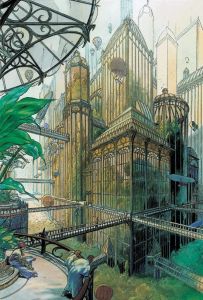


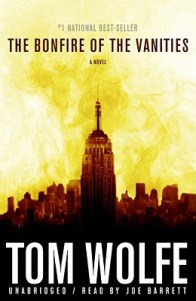 I. The Bonfire of the Vanities [1987] by Tom Wolfe
  II. Breakfast at Tiffany’s [1958] by Truman Capote

 Favourite book: Revolutionary Road by Richard Yates
  Book that drowned you in feels: The Remains of the Day by Kazuo Ishiguro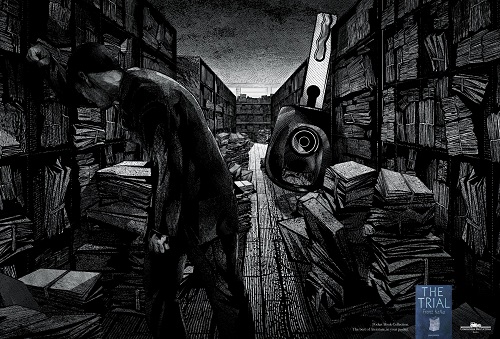
 Thoughts on Papyrus