
First of all, I would like to wish all my followers and readers a very Happy New Year (Year of the Wood Snake 🐍), and may this year bring each of you only the best. I think it is also fitting to open this year with some thoughts on books that detail correspondence or messaging, often signalling renewed hope or intrigue in books. Why would some authors pen their books in the epistolary format (in the format of a letter(s))? What is the meaning of this book format, and what purpose it serves? Below are 7 books that were written using this curious technique.
This format has many purposes and aims depending on a book and plot, for example to open a world from a curious perspective, but books where characters pen letters may also give an impression that these characters somehow would like to take the reader into their confidence, and, possibly, make them psychologically complicit in these characters’ thoughts and deeds. Letters, like diaries, in novels may also carry a purpose of eliciting sympathy for whoever writes them, and this is especially beneficial in plots where the main character is not altogether likeable, like Lady Susan below. At times, “epistolary” also means a novel written in a diary-format (Edith’s Diary, The Liar), but for the purposes of this list, I will only talk about letters and correspondence.
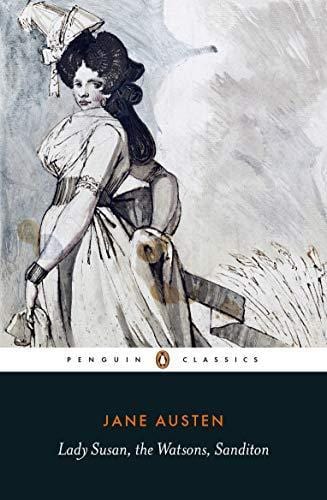
Lady Susan by Jane Austen
Lady Susan is probably the best-known example of a book written entirely in the format of letters. It suits the comedic plot, too, since the perspective is from charming, mischievous, slightly devious Lady Susan. She is a widow, and from her letters to her distant relatives and in-laws we deduce that she would like to maintain her luxurious style of living despite having “fallen on hard times”. She is after a husband yet again, and not only for her, but also for her daughter Francesca. The letter-format of this novel keeps us in suspense and also allows us a glimpse into the mental gymnastics of the main character, who has to survive through cunningness and deceit if she is to maintain her societal status.
Continue reading “7 Great Epistolary Novels”
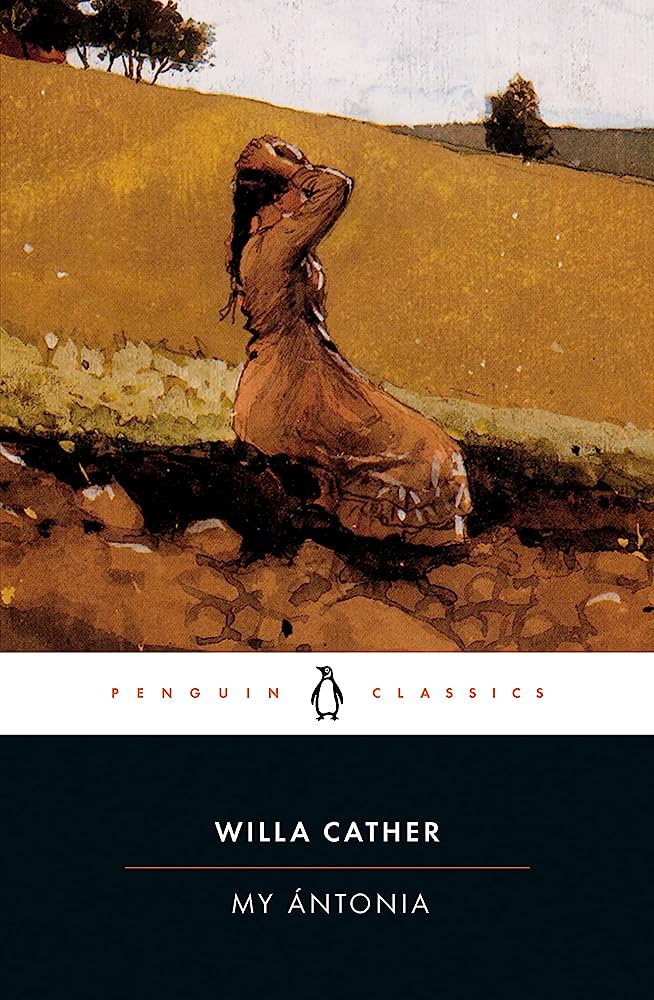
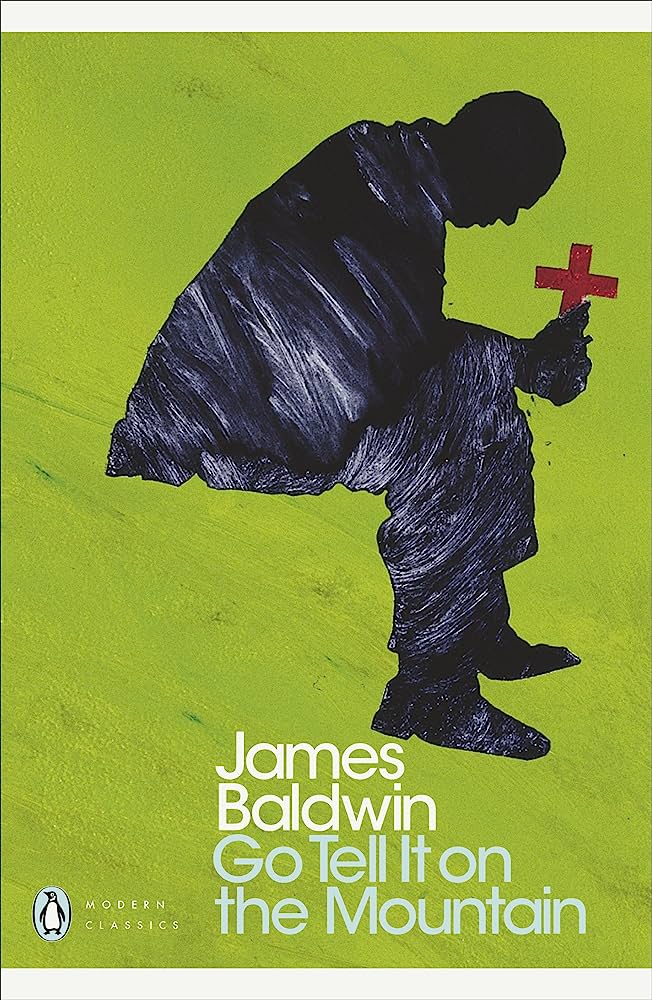






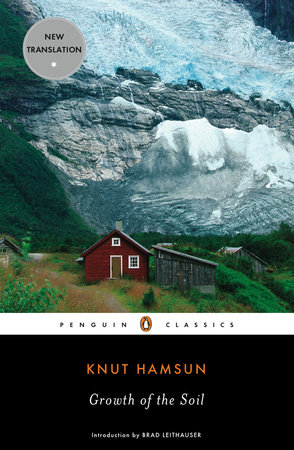

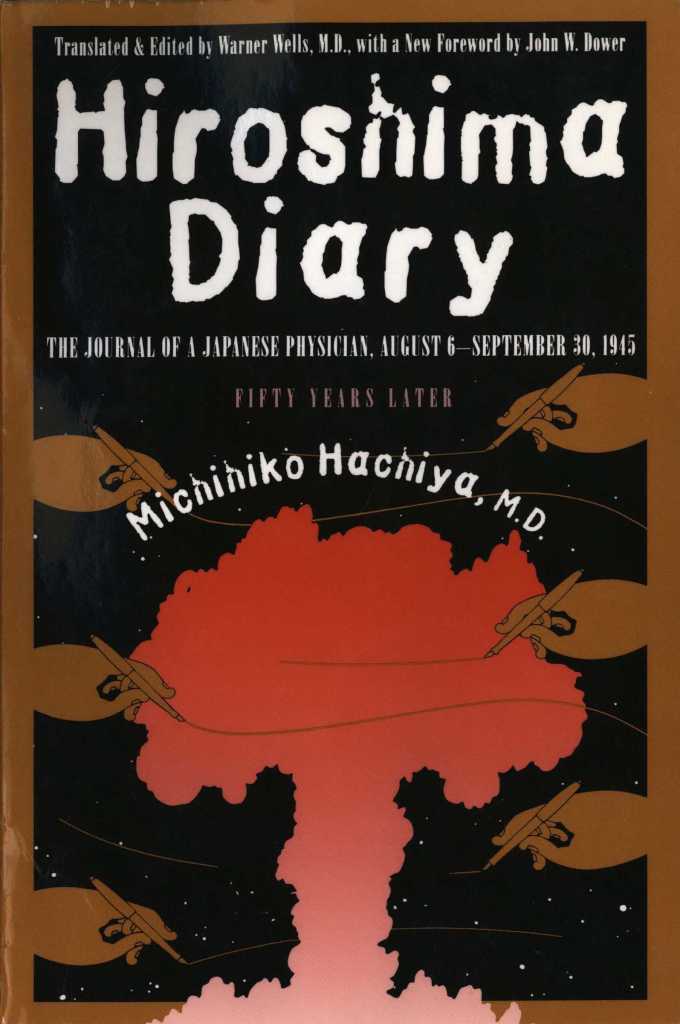
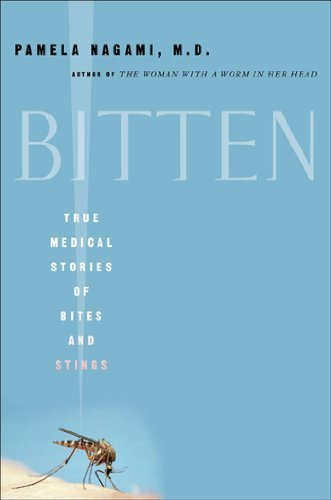


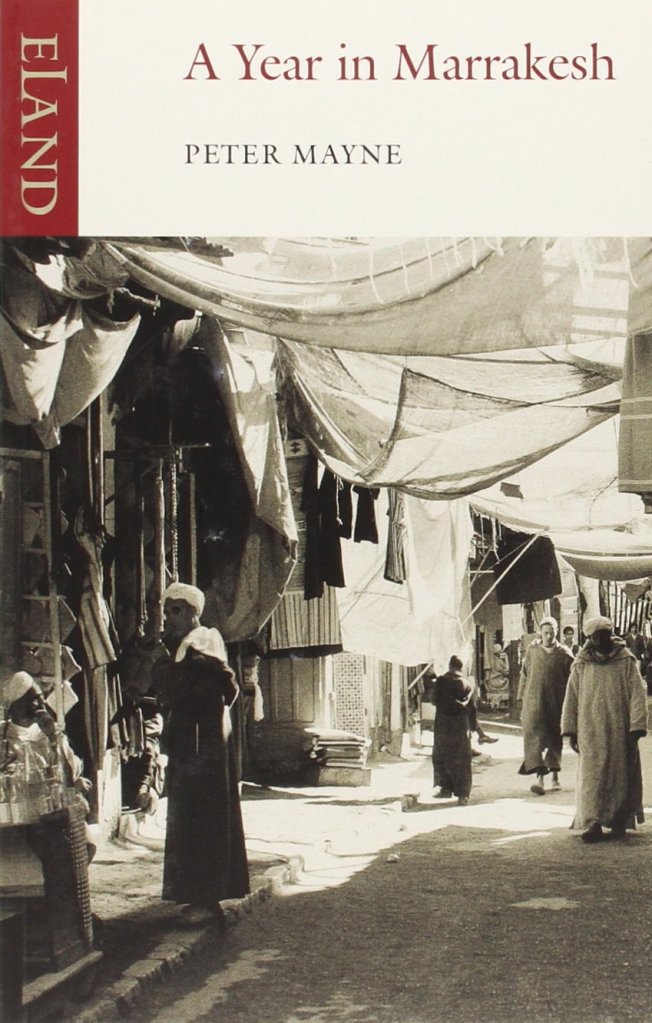

 I. Is there a book that you started that you still need to finish by the end of the year?
 II. Do you have an autumnal book to transition to the end of the year?
 I. Which book, most recently, did you not finish?

 “Each face, each stone, of this venerable monument, is a page of the history, not only of the country, but of the science and the art” (Victor Hugo, The Hunchback of Notre-Dame [1831: 110]).
 “He is already part of you. Though you fly to Greece, and never see him again, or forget his very name, George will work in your thoughts till you die. It isn’t possible to love and to part. You will wish that it was. You can transmute love, ignore it, muddle it, but you can never pull it out of you. I know by experience that the poets are right: love is eternal”
  Thoughts on Papyrus