10 Great Coming-of-Age Novels

I think that summer is the perfect time to read coming-of-age novels (my past summers on this blog were all about such books as The Interestings, Golden Child, Fruit of the Drunken Tree, and Arturo’s Island), and below is my personal list of ten great coming-of-age novels (a Bildungsroman). Summer is usually linked to childhood and growing up (at least in my mind): the sense of freedom after school is over, grass picnics and summer camps. Charles Dickens (David Copperfield), Mark Twain (The Adventures of Tom Sawyer), J. D. Salinger (The Catcher in the Rye), and Louisa May Alcott (Little Women) are just a few of the authors I used to read who all wrote about the pains of growing up and finding oneself in the world, capturing that curious transition between the magical world of childhood and the “harsh” world of adults, that is full of responsibilities. The list below includes my other old favourites and more-or-less-recently-discovered modern classics.
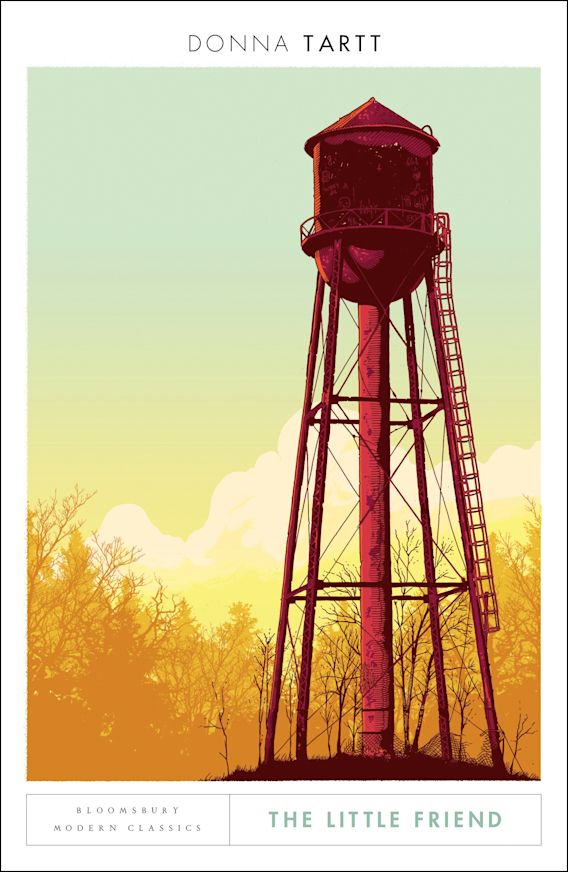
I. The Little Friend [2002]

by Donna Tartt

The focus of this evocative novel by Donna Tartt is twelve-year-old Harriet Dufresnes living in Mississippi who becomes obsessed with tracking down the murderer of her brother Robin twelve years prior. Her passion for justice leads her on the progressively dangerous journey of confronting the town’s criminals and the people she believes are responsible for her brother’s death. Tartt fuses the southern mystery with the wonder and investigative adventures of childhood tainted by trauma and thrown in at the deep end.

Continue reading “10 Great Coming-of-Age Novels”
Imagining Menus from Books

I have been thinking (again) about the place of food in books recently, and I thought it would be fun to make a post where I would try to imagine and devise culinary menus from books, and also come up with objects and particular atmosphere based on a number of books that I’ve read, trying to evoke the particular aesthetics of the books chosen. My selected books are Orhan Pamuk’s The Black Book, Jeffrey Eugenides’ The Virgin Suicides, Min Jin Lee’s Pachinko, Eleanor Catton’s The Luminaries and Yasunari Kawabata’s The Old Capital.

I. The Black Book [1990/2005] by Orhan Pamuk

Atmosphere:

Snow-covered Istanbul of the 1990s and 1960s: lonely streets and cold apartments.

What to bring:

Childhood memories, unresolved issues, newspaper clippings, old photographs, a mirror & green boll-point pen.

MENU

Drink: Turkish coffee or cold ayran (a yogurt drink mixed with salt);

Starter: Tomato soup (domates çorbası) or a plate of grilled meatballs (koftas);

Main: Lamb with basmati rice flavoured with cinnamon, mint and apricot, and a carrot salad;

Dessert: Quince dessert (ayva tatlısı).

Continue reading “Imagining Menus from Books”

The Literary Adaptation Book Tag

Since my two recent book reviews were of books that resulted in major films – Fried Green Tomatoes at the Whistle Stop Café and The Night of the Hunter – I have decided to have a go at this book tag about literary adaptations, slightly changing the original book tag seen at Milibroteca (a Spanish language book blog).

The English Patient Film PosterI. What is your favourite literary adaptation? 

Anthony Minghella’s The English Patient [1996] adapted from the novel of the same name [1992] by Michael Ondaatje.

The English Patient is far from being the most faithful adaptation, but Minghella (The Talented Mr Ripley [1999]) conveyed the spirit and atmosphere of the novel perfectly, and the film boasts great performances from Ralph Fiennes, Kristin Scott Thomas and Juliette Binoche. The score by Gabriel Yared (Betty Blue [1986]) is one of the most beautiful ever produced, too.

Virgin Suicides Film PosterII. What do you consider to be the best book-to-film adaptation?

Sofia Coppola’s The Virgin Suicides [1999] adapted from the novel of the same name [1993] by Jeffrey Eugenides. 

In my opinion, some of the best ever literary adaptations include Gone with the Wind [1939], Rosemary’s Baby [1968], and Harry Potter and the Philosopher’s Stone [2001], but there is still something very special about Sofia Coppola’s The Virgin Suicides. It is a beautiful, haunting adaptation which remains largely faithful to the source material. Coppola did an amazing job conveying the suburban claustrophobia, and hidden despair and tension of the girls. Continue reading “The Literary Adaptation Book Tag”