


The idea of the American Dream has been the cornerstone of the United States, the American way of life and experience. It has been an enduring emblem representing hope for the future, prosperity, and success for its hard-working citizens, and an ideal to reach for ardent new-comers, believing in the variety and richness of opportunities on offer in their new home-land. But, what does this concept really mean, and how it has been transformed in changing times? Also, what happens when it all goes wrong?
The US Declaration of Independence states that “all men are created equal”, with each person having a right to “life, liberty, and the pursuit of happiness”. However, as the Great Depression (1929-1941) showed, millions of even hard-working men and women of steely determination are not immune to sudden poverty, horrid destitution, and utmost ruin. Moreover, the grind of the wheels of capitalism can produce ruthless behaviour, resulting in the emergence of inhumane and horrendous-for-people environments, as Sinclair wrote in The Jungle. Nevertheless, though facing poverty, people could still have their “American Dream”, as in “hope”, in their hearts. All that began to change from the mid-1940s, when the concept of the American Dream started to be equated with monetary success only. It is at this point that both of its definitions began to crumble for good, as disillusioned people started chasing their own tails, as, in turn, their ideals turned out to be well-constructed mirages.
Many stories were written from various perspectives that detail the so-called “Fall of the American Dream”, both before and during the 1920s, during the Great Depression, and also after the World War II. Below are some classic story examples (with some plot spoilers in their descriptions) that feature this symbol meeting its demise under the pressure of stark reality. Some falls are self-induced in these stories, some unjustly inflicted, some dramatic, and some just quietly devastating (similar to the experience of James Tyrone Sr. in Long Day’s Journey into Night or of Esther from The Bell Jar), but all have one thing in common – their irrefutable tragedy, and its unfortunate continuation to the present day.

I. The Grapes of Wrath
Many Steinbeck’s classics centre on the Fall of the American Dream, but since The Grapes of Wrath deals with the immediate horrifying experience of the Great Depression, it tops the list. This is a resolute novel about the unattainability of the American Dream, as the story focuses on one family fleeing destitution of the mid-west only to arrive at California’s very own “human slaughterhouse”. “How can you frighten a man whose hunger is not only in his own cramped stomach but in the wretched bellies of his children? You can’t scare him – he has known a fear beyond every other.”
Continue reading “10 Classic Stories About the Fall of the American Dream”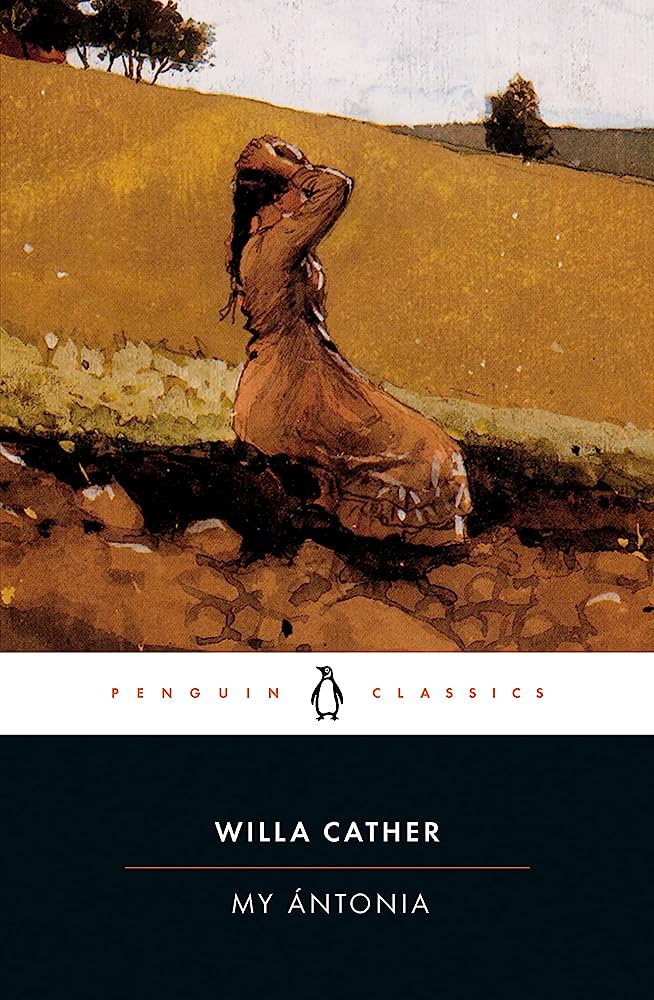











 “He was not sure that he wanted to see the Countess Olenska again; but ever since he had looked at her from the path above the bay he had wanted, irrationally and indescribably, to see the place she was living in, and to follow the movements of her imagined figure…The longing was with him day and night, an incessant undefinable craving, like the sudden whim of a sick man for food and drink once tasted and long since forgotten. He could not see beyond the craving, or picture what it might lead to…He simply felt that if he could carry away the vision of the spot of earth she walked on…the rest of the world might seem less empty” [Edith Wharton, 1920: 191].
 Thoughts on Papyrus