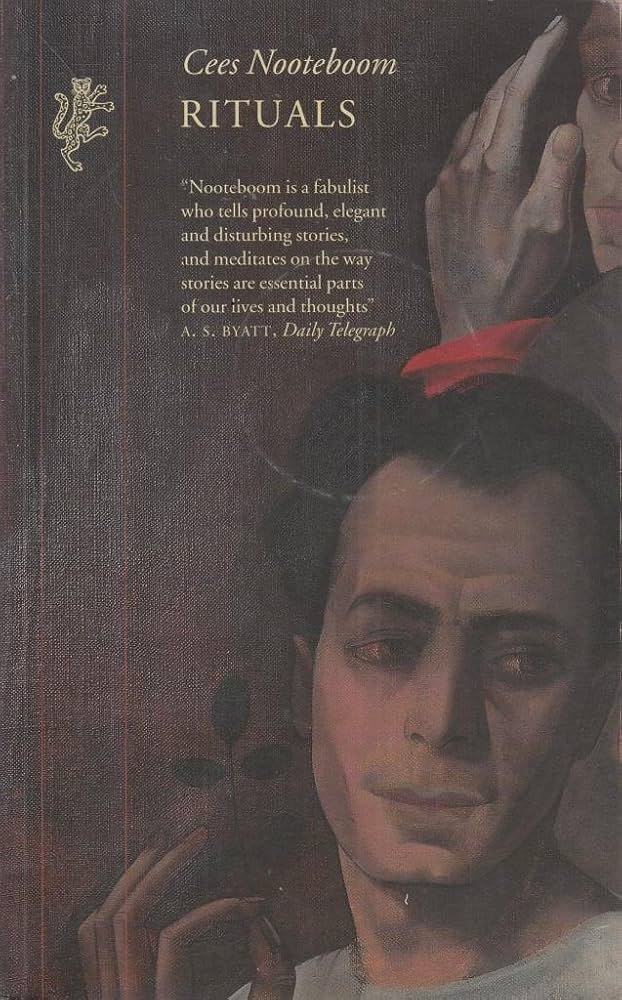
“He regarded life as a rather odd club of which he had accidentally become a member and from which one could be expelled without reasons having to be supplied”(Cees Nooteboom, translated from the Dutch by Adrienne Dixon [1980/1992]).
This novel centres on a man who drifts through life aimlessly as though in a haze, writing horoscopes and dealing in art for a living, albeit possessing money. Preoccupied with control, or rather the lack of it, Inni Wintrop lets events in his life happen to him, rather than actively trying to change something, while his guiding forces in life inexplicably become two very strange men – apathetic recluse Arnold Taads, and his son, distant and mysterious Philip Taads. Intensely philosophical, witty and sharp, the novel illuminates life as seen through our routines, mirages, actions, inactions and the influence of others.
I would like to wish all my followers a very Happy New Year! ✨ – let the year 2024 bring only joy, happiness and the fulfilment of all your wishes! Below is my list of 7 best books I read in 2023 (the best books I tend to read happen to be classics, and I am excluding non-fiction, graphic novels and short story collections).
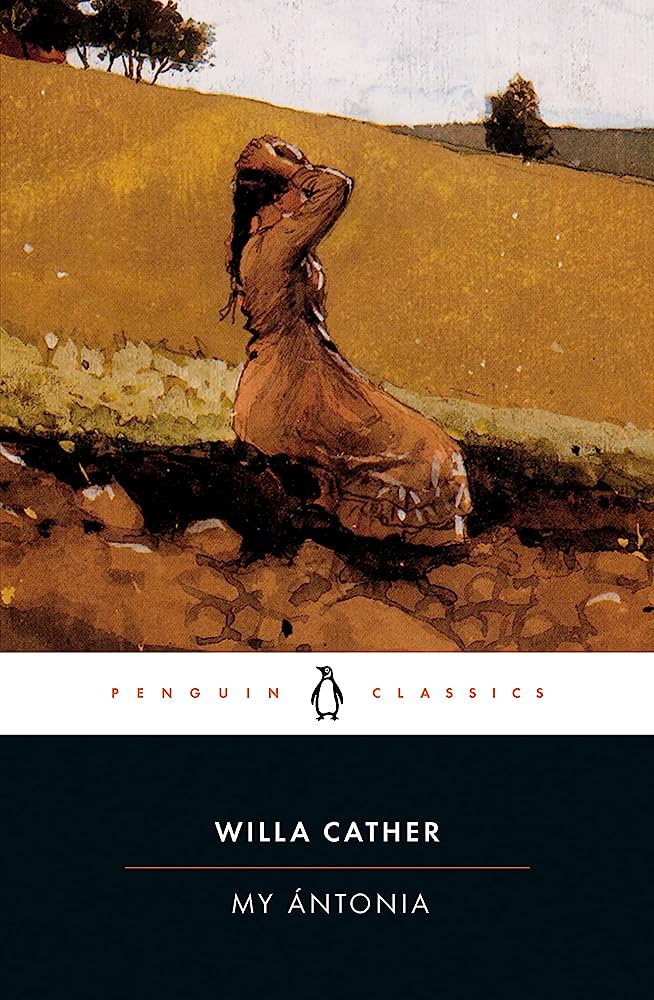
I. My Ántonia [1918]
by Willa Cather – ★★★★★
This touching coming-of-age story by Willa Cather (Death Comes for the Archbishop, A Lost Lady) centres on Jim Burden’s friendship with one immigrant girl, free-spirited Ántonia Shimerda in Nebraska. Cather’s elegant prose simply enchants, and Jim’s distinctive voice is unforgettable, with each chapter brimming with soulfulness as it tells of immigrants’ hardships and sacrifices made through the years. It is a deeply nostalgic look at a life passed, as well as a sweeping expose of rural life in the late 19th and early 20th century America.
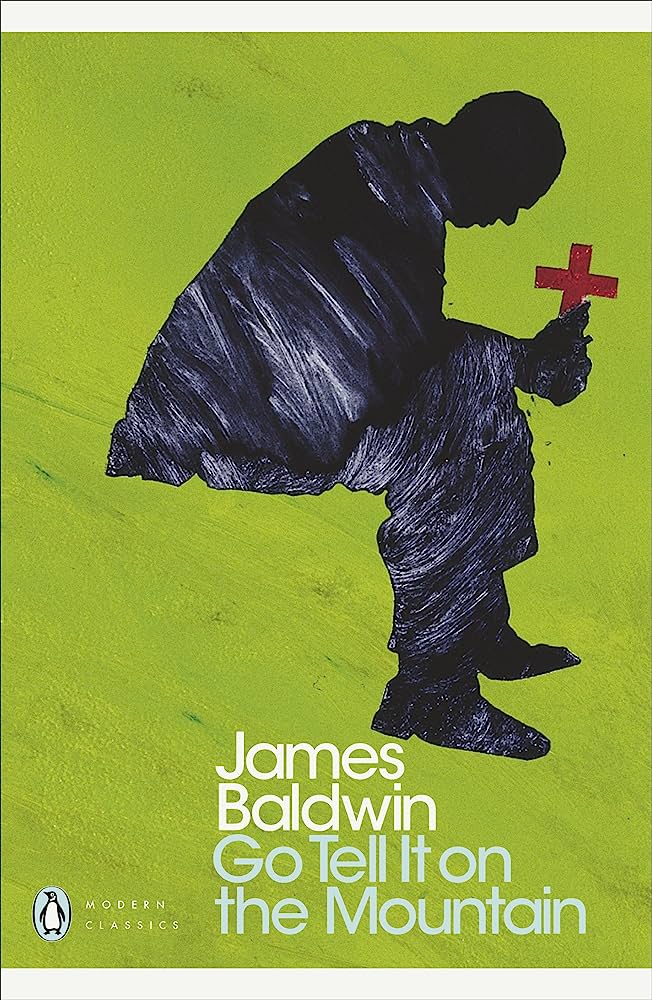
II. Go Tell It On The Mountain [1953]
by James Baldwin – ★★★★★
James Baldwin’s debut is a staggering book that focuses largely on John Grimes, step-son of the minister at the Pentecostal church in Harlem. John tries to make sense of his upbringing, environment and above all – all the expectations placed on him by others. This is a multi-dimensional and at times multi-perspective novel which also reveals issues of sexuality, racism and attempts at fitting in while remaining true to oneself. Baldwin’s prose cuts like a knife and yet remains touchingly lyrical throughout as the story recounts the accumulated heartbreak.
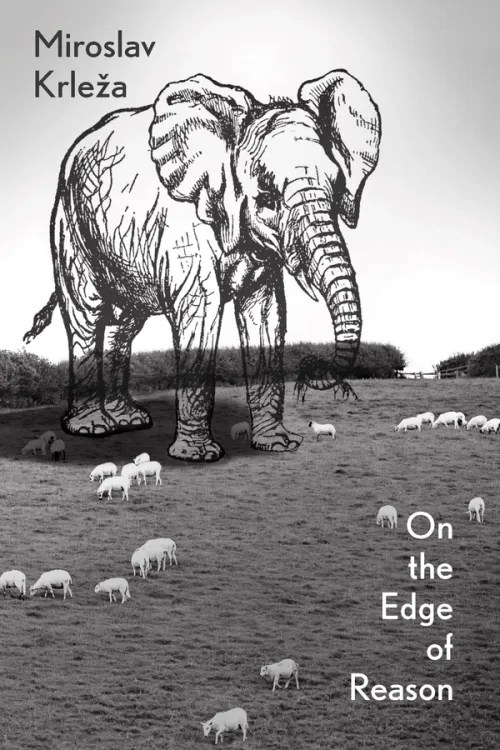
On the Edge of Reason re-issue is newly out from New Directions
What classic story first comes to your mind when you think of a satire on the hypocrisy of the bourgeoisie or ruling majority? George Orwell’s Animal Farm? J. B. Priestley’s An Inspector Calls? Henrik Ibsen’s An Enemy of the People? Charles Dickens’s Little Dorrit? Edith Wharton’s The House of Mirth? French literature has a long tradition of such stories, so, perhaps, some story byMolière, Honoré de Balzac, Émile Zola, or Guy de Maupassant? The choice is numerous, but, whatever it is, chances are it would not be Miroslav Krleža’s novel On the Edge of Reason(1938). And, yet – it should be. This novel by one of the greatest Croatian writers of the twentieth century should be on everyone’s lips when evoking stories about the challenge to that prevailing social order that curbs individual freedoms and rights, leading to injustice.
Prolific and versatile author Miroslav Krleža (1893 – 1981), who wrote novels, essays, poems, plays and short stories, was aptly placed to tackle the theme. His stark criticism of the ruling elite’s egoism, greed and the perpetration of social injustice in his fiction is the reflection of his country’s turbulent political history and his own innate desire to challenge the status quo. While being an officer in the Austro-Hungarian Army, Krleža once unsuccessfully deflected to the Serbian Army, and his embittered experience as a soldier on the frontlines during the World War I culminated in his powerful anti-war writings, including a short story collection titled Croatian God Mars (1922). After the World War I, Krleža emerged as a talented writer promoting socialism, and because of his leftist views, his books, publications and left-wing magazine Plamen had been banned in the inter-war period. In 1939, Krleža was expelled from the country’s Communist Party as his opinions on art contrasted with the social realist principles, and this further cemented his independent, “anti-establishment” public image.
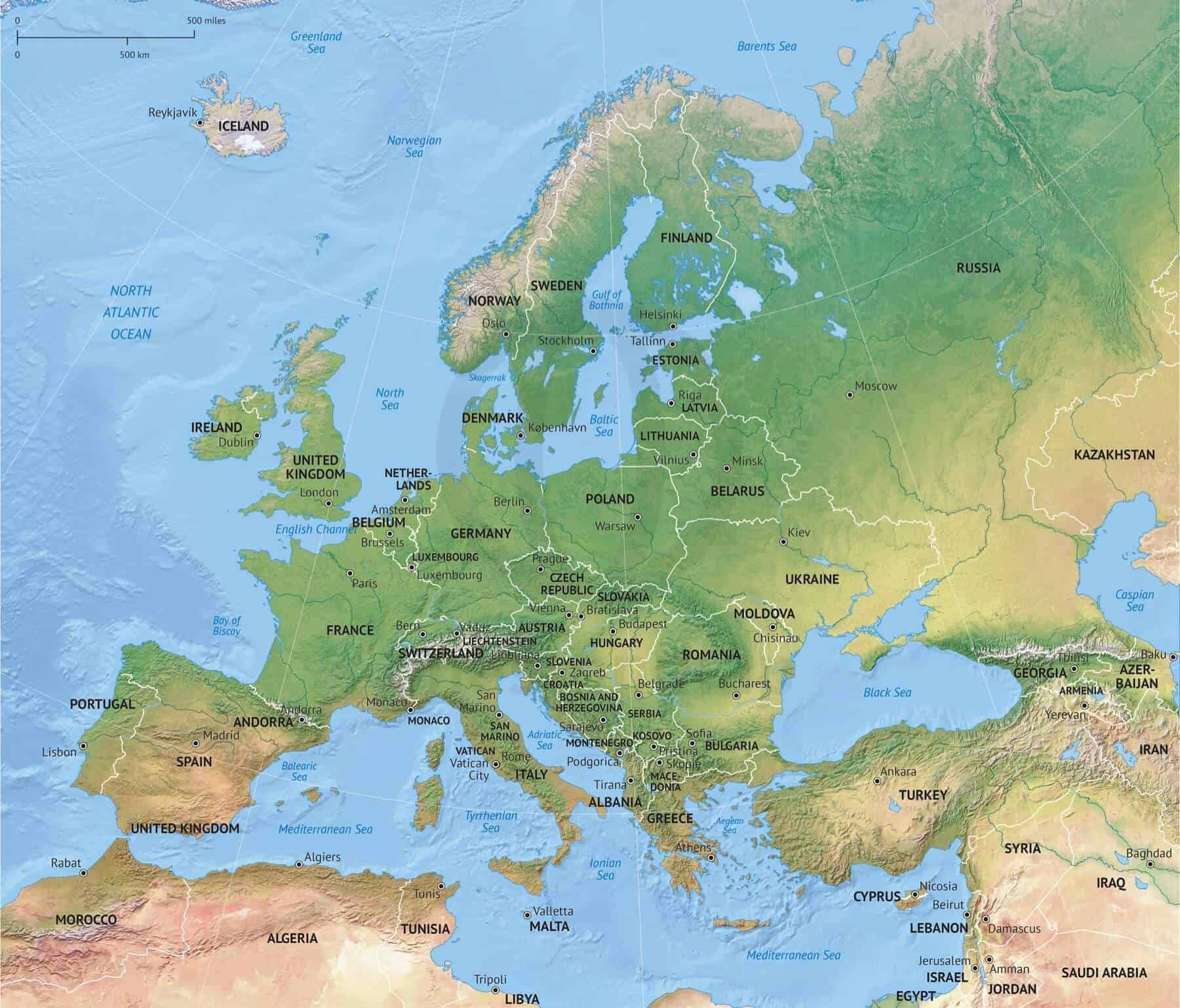
I have finally completed my challenge of reading 50 booksset in different parts of the world! I began this challenge almost with the start of my blog in 2018 and my last review of Maryse Condé’s book marked the end of this exciting challenge. Below are my book results categorised in the following sections: Europe, The Middle East, Africa, Asia, North America,The Caribbean, South America and Oceania. Please note that the books below correspond to plot locations and not to the authors’ countries of origin.

 Thoughts on Papyrus