


British psychologist Stuart Sutherland wrote in 1989: “Consciousness is a a fascinating but elusive phenomenon: it is impossible to specify what it is, what it does, or why it evolved. Nothing worth reading had been written about it“. Despite this sentiment, which has quite a bit of truth to it, below are seven great books on consciousness to read.
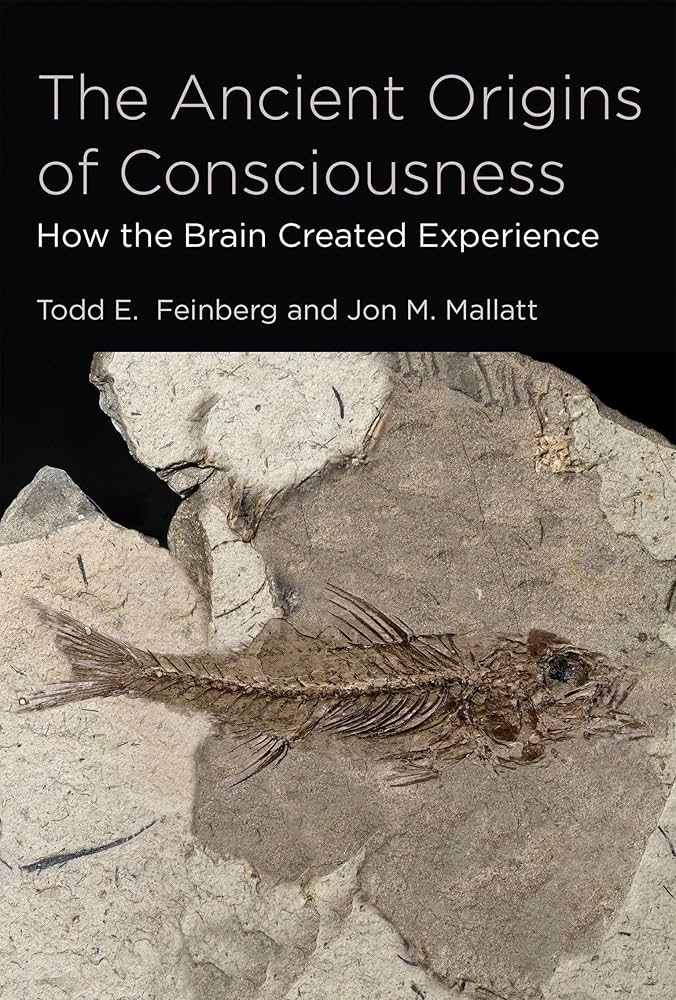
I. The Ancient Origins of Consciousness: How the Brain Created Experience by Todd Feinberg and Jon Mallatt
This is a great book for anyone interested in the evolutionary bases of consciousness. It rightly points out that solving “the hard problem” of consciousness requires recourse to philosophical, neurobiological and neuroevolutionary domains. The book starts with the Cambrian explosion, and demonstrates how vertebrate consciousness evolved from an amphioxus-like, invertebrate stage. This is a clear and very readable account of the evolution of consciousness, even if it only provides a sound theory on the development of a sensory consciousness, as opposed to a subjective, all-encompassing one.
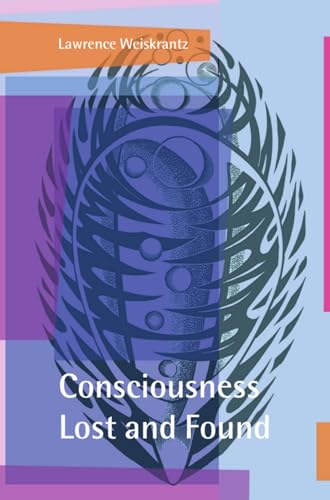
II. Consciousness Lost and Found: A Neuropsychological Exploration by Lawrence Weiskrantz
This book looks at a number of medical conditions and phenomena, including amnesia, blindsight and prosopagnosia (a specific memory disorder where an individual cannot recognise faces), and considers what conclusions on consciousness can be drawn from studies on these conditions. The book goes into much greater depth than similar popular non-fiction by Oliver Sacks and V.S. Ramachandran. There is a chapter on animal consciousness, and another on the possible evolutionary and other explanations of the phenomena. Lawrence Weiskrantz (1926-2018) was a British neuropsychologist who discovered the phenomenon of blindsight.
III. Consciousness and the Brain: Deciphering How the Brain Codes Our Thoughts by Stanislas Dehaene
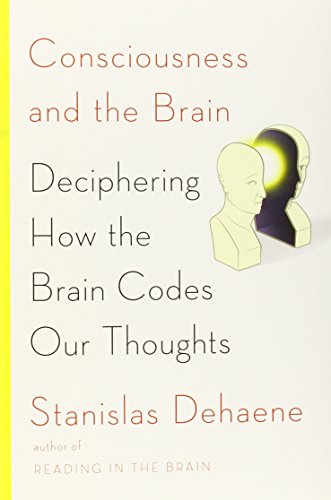
This 2014 book takes, what I consider, a sound approach to narrowing down consciousness: pinpointing the threshold between conscious and unconscious experiences. French neuroscientist Stanislas Dehaene explores the topic by focusing on visual and auditory illusions before detailing experiments with MRI scans that showed to “capture” consciousness and then proposing a new theory of consciousness – “a global neuronal network”, which is brain-wide information sharing. One interesting chapter in the book is all to do with the purposes of consciousness and the causes of its evolution. I thought this non-fiction made the mistake of conflating attention/awareness and consciousness, but, otherwise, it is very persuasive and engaging.
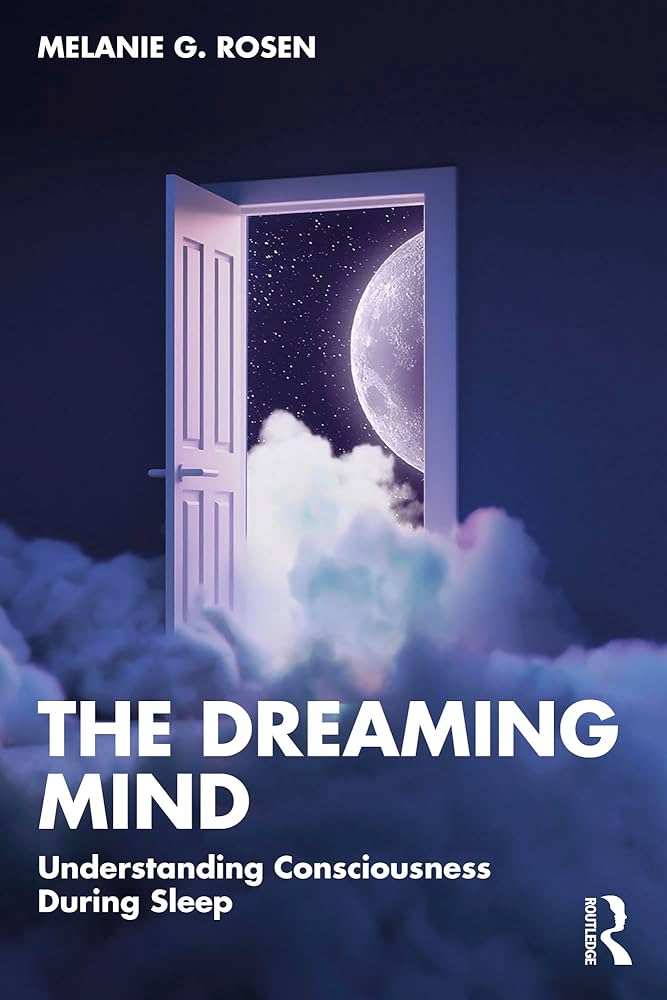
IV. The Dreaming Mind: Understanding Consciousness During Sleep by Melanie G. Rosen
In my review of Anil Seth’s book, I said that I believe that dreaming (as a form of altered state of consciousness) may shed light on the true nature of consciousness and solve the mysteries of the human mind. Dreams represent the bridge between the conscious and unconscious processes, and there lies their uniqueness and potentially invaluable contribution to demystifying the human mind, especially if one also considers lucid dreams. Taking an interdisciplinary approach, this book is all to do with dreaming, and how neurobiological explanations of consciousness may not fully explain the complex phenomena of altered states of consciousness, including dreaming. The phenomenological approach may be need, and this non-fiction does many things to argue for it, tracing the history of dream interpretation and debating the practical implications of dream research.
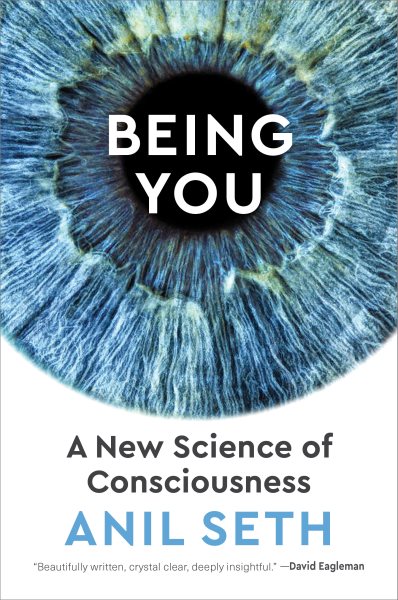
V. Being You: A New Science of Consciousness by Anil Seth
Anil Seth, Professor of Cognitive and Computational Neuroscience at the University of Sussex, proposes his own theory of consciousness in this 2020 book – consciousness is a form of “controlled hallucination”, a kind of “waking dream”, with our brain constantly “constructing” our reality for us. This means we may never know the true nature of reality out there because this “truth” has never been vital for our survival as a species. Studies on optical illusions certainly support this view. This is a very much introductory text that also provides a clear overview of the up-to-date research on consciousness.
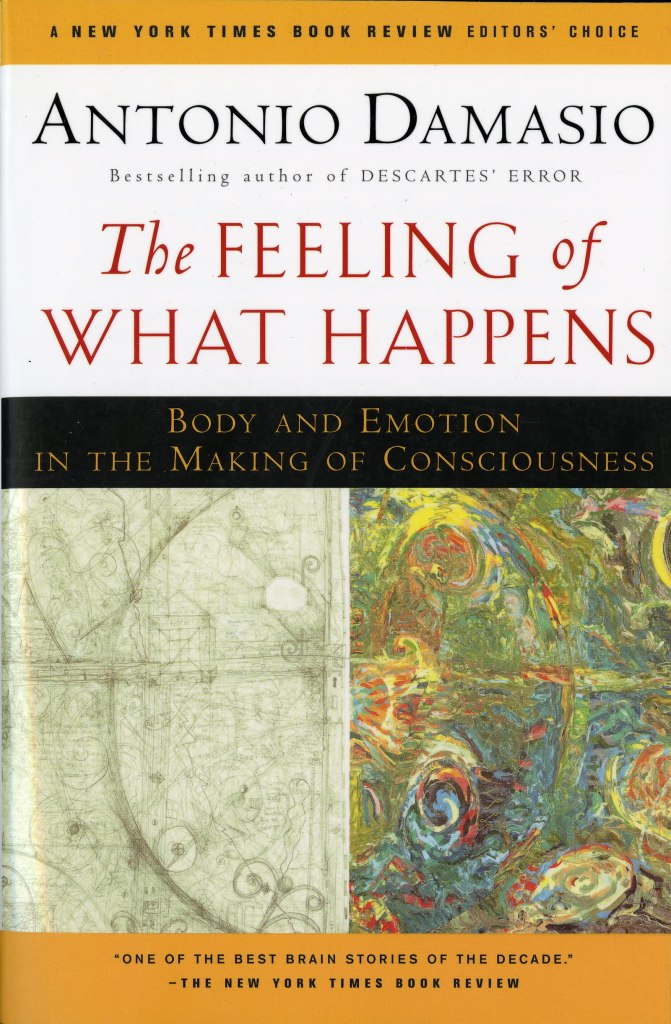
VI. The Feeling of What Happens: Body and Emotion in the Making of Consciousness by António Damásio
“…consciousness begins as the feeling of what happens when we see or hear or touch…Organisms unequipped to generate core consciousness are condemned to making images of sight or sound or touch, there and then, but cannot come to know that they did…consciousness is knowledge…” [António Damásio, Harcourt, 2000: 36]. The reason I introduce this book here is because Portuguese neuroscientist António Damásio makes quite a departure from other scientists in this field when he argues that feelings are foundational to consciousness, and that consciousness is “one’s inner sense”. That is quite a curious take, which feels right on the intuitive level, and Damásio blends case studies, experiments and philosophy to support his claims.
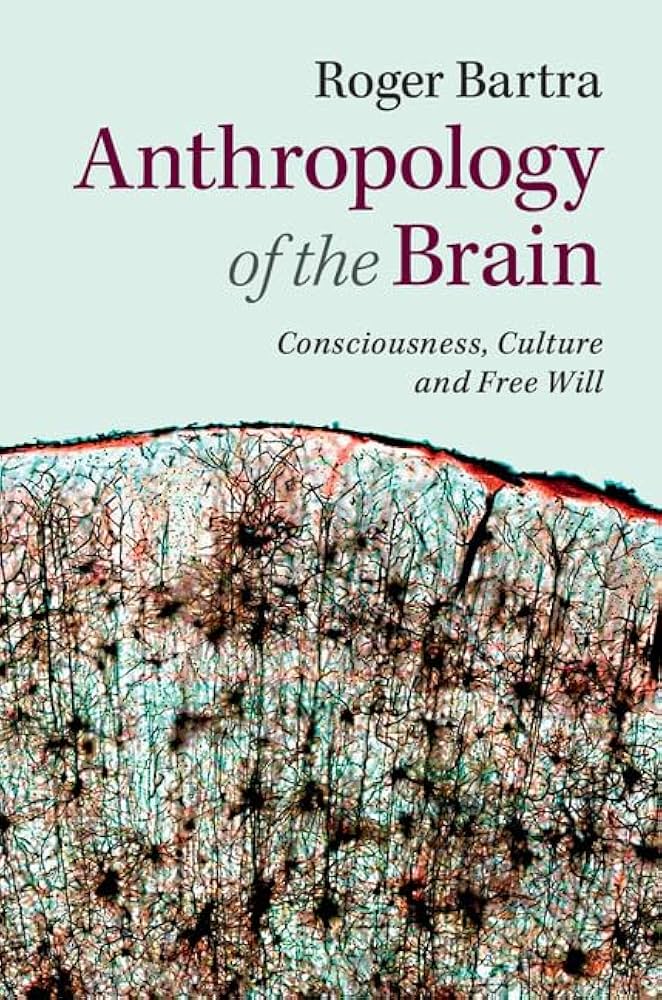
VII. Anthropology of the Brain: Consciousness, Culture, and Free Will by Roger Bartra
This book by Mexican anthropologist Roger Bartra looks at consciousness from an anthropological perspective. We certainly see the “imprint” of the human mind everywhere around us, but we hardly stop and think about it deeply. Bartra demonstrates how expression is consciousness, there are “cultural networks that envelop the consciousness of the self”, and we should focus on demystifying what it means “being conscious of being conscious”. It is an intriguing idea that our human consciousness may be emerging from a complex interaction between the brain and certain cultural symbolic systems.
See also my related lists: 7 Fascinating Books on Human Mind & Mental Illness, and 7 Fascinating History of Medicine Non-Fiction Books.


A really helpful critical overview of some of the available literature, Diana, thank you – I’m bookmarking this as a guide to exploring what’s generally available.
LikeLiked by 1 person
These all sound SO interesting – and especially in the light of recent discussions about AI and consciousness (loved Ted Chiang’s take https://www.theatlantic.com/philosophy/2026/06/no-artificial-intelligence-is-not-conscious/687378/) The Anil Seth most immediately appeals.
LikeLiked by 1 person
The contrast here between evolutionary accounts and subjective consciousness is directly relevant to this idea.
New Argument from Consciousness
This video explores the meta problem of consciousness proposed by David Chalmers and argues that naturalistic processes couldn’t have given us knowledge of consciousness
This is my video: https://www.youtube.com/watch?v=WJVvZNi0Fi8
Disclosure: this comment was drafted with AI assistance.
LikeLike