
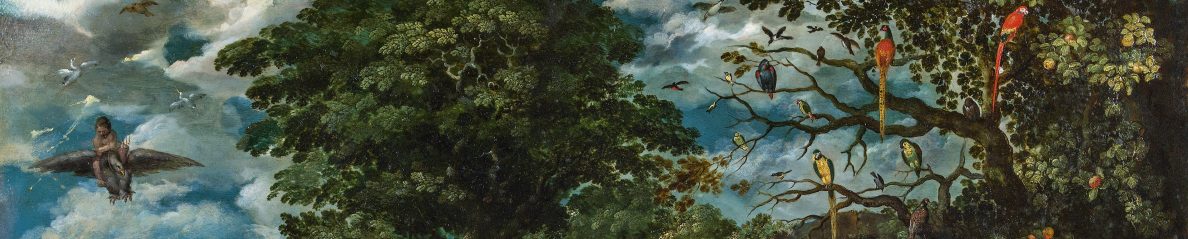
I have recently read a number of articles on book and music pairings, including by Richland Library and Cassava Republic Press (where they paired (perfectly!) Nina Simone’s feverish Sinnerman with Baldwin’s novel Go Tell It On the Mountain), and decided to compile my own list (in no particular order). Literature and music at times make a perfect pairing, and in the list below, I tried to capture the similarities in both theme and mood. The music below is diverse, from classical to rock, J-pop and jazz.
Anna Karenina by Leo Tolstoy
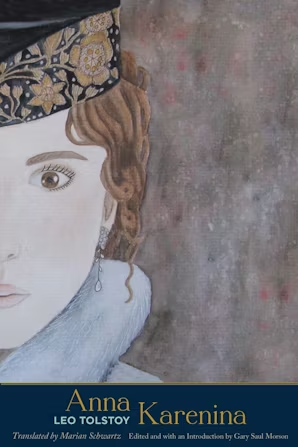
The paired music: Masquerade – Ballet Suite: 1. Waltz by Aram Khachaturian
My Reasons
Initially envisioned for the production of Mikhail Lermontov’s play Masquerade, this piece of music was turned into an orchestral suite in 1944. I think its sweeping, almost violent theme is suitable to describing Anna Karenina’s inner world of burning, overwhelming passion for Count Vronsky in Tolstoy’s story of one complicated love affair. That whirlpool of abundant, conflicting emotions comes to its climax as Karenina watches Vronsky compete in a horse race. The masquerade theme is also fitting here as Karenina and Vronsky have to wear masks of indifference in their daily life.
listen to the composition – buy the book
The Twin by Gerbrand Bakker

The paired music: “Loss of a Twin” (score for film Eagle Eye) by Brian Tyler
My Reasons
Bakker’s evocative, beautifully-written debut set in Dutch countryside delves into countryside living, loneliness, regret, and coming to terms with the passage of time. It involves twin brothers Henk and Helmer. It is the death of Henk so many years previously that still haunts Helmer who now has to face the arrival of Henk’s ex-fiancée Riet to the region. Brian Tyler’s gentle score “Loss of a Twin” fits perfectly into the understated drama of Bakker’s novel.
listen to the score – read the review – buy the book
The New Me by Halle Butler

The paired music: “The Emptiness Machine” by Linkin Park
My Reasons
Butler’s novel talks of the traps of modern work environment that often provides no true stability or long-term prospects but offers the so-called “reinvention” and “variety”. It also talks of personal isolation in today’s world where all try to live by the standards imposed by others and driven by superficial goals. Song “The Emptiness Machine” may be a good fit here. Linkin Park’s catchy tune connects effortlessly with this young generation by talking about how our image-obsessed society only promotes superficiality, emptiness and loss of identity. The lyrics emphasise that seeking approval through addictive social media will never result in true happiness, peace and personal contentment, but in anxiety, frustration, resentment and temporary joy only to be replaced by feelings of isolation and depression (until that next “like”). The public, constantly falling for misleading presentations of truth, is “falling for the promises of the emptiness machines”.
listen to the song – buy the book
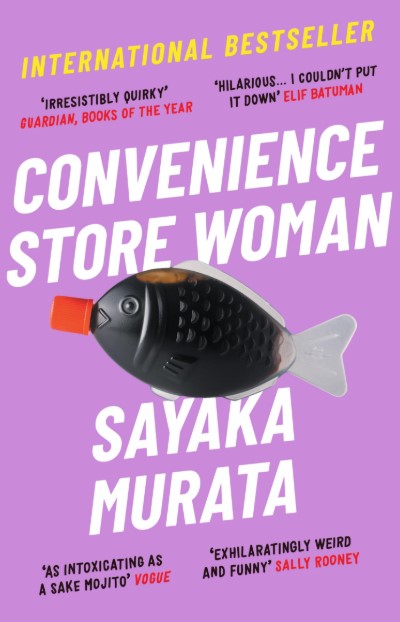
Convenience Store Woman by Sayaka Murata
The paired music: “Alone But At Ease” (Perfect Blue soundtrack) by Masahiro Ikumi (feat. Emiko Furakawa & Mie Shimizu)
My Reasons
Convenience Store Woman is a satirical novella about a woman who does not fit into the image of a “successful” woman in Japanese society. Keiko is 36, unmarried and has seemingly no ambitions in life but to work part-time in a supermarket. The song “Alone But At Ease” from Satoshi Kon‘s anime-masterpiece Perfect Blue also talks of a girl who wants to break away from all the expectations and lead a life that she feels suits her best, even if that life is not seen by society as “desirable”. The song captures Keiko’s feelings in Murata’s novel as the society judges her for not living up to the standards. “I’m alone, but doing fine”; “I’ll be as I am and do as I want, always“; and “I’ve finally found a luxurious loneliness“, the lyrics go.
listen to the song – read the review – buy the book
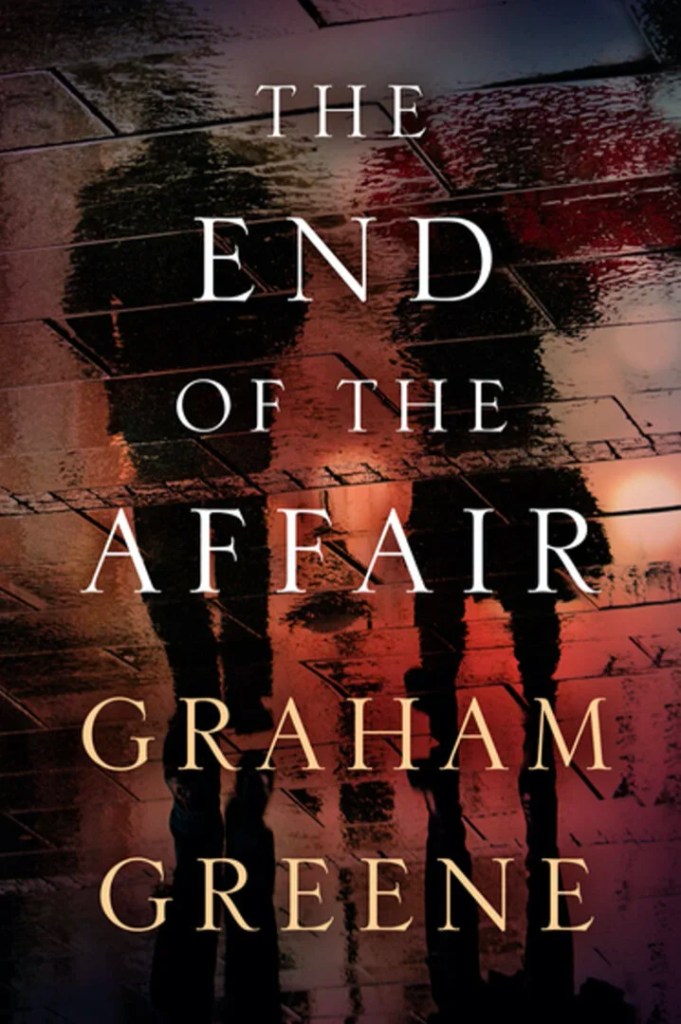
The End of the Affair by Graham Greene
The paired music: “Gloomy Sunday” by Billie Holiday
My Reasons
“One can’t love and do nothing” (Graham Greene). The End of the Affair is a tale of passionate, obsessive, and self-destructive love on the part of a man who fell in love with a married woman. It is not so much the woman’s husband that functions as an obstructive force here in the end, but something more powerful – Death and then God, or God and then Death? Holiday’s sad song about the despair and exhaustion of grief fits certain parts of the novel’s second half.
listen to the song – buy the book
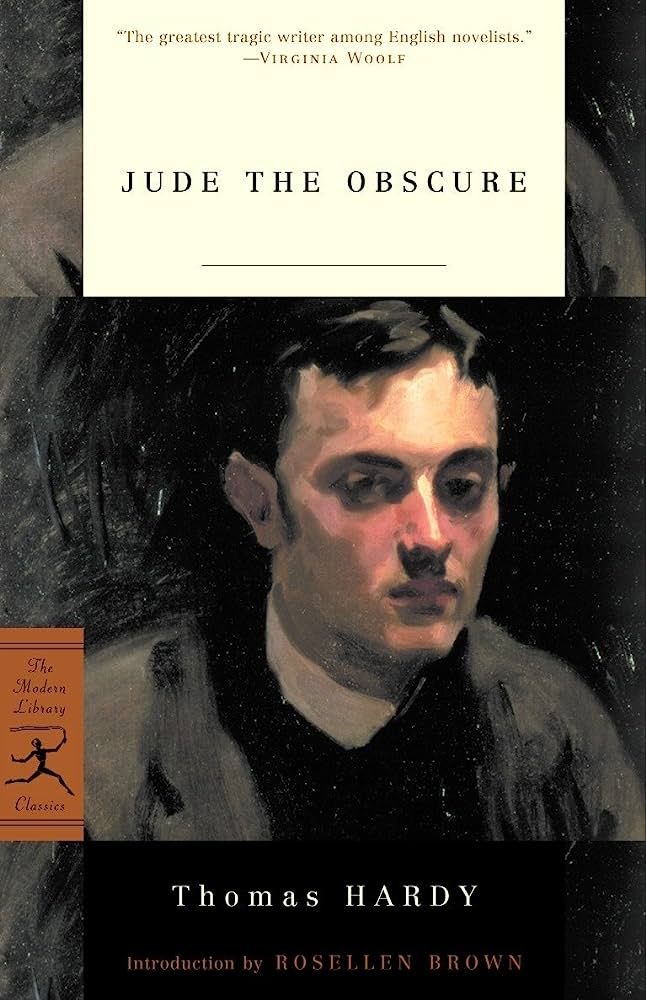
Jude the Obscure by Thomas Hardy
The paired music: Air on G String by Johann Sebastian Bach
My Reasons
I had to find something as soulful as the novel. Bach’s mournful masterpiece will provide a great score to Jude’s times of tribulations in the story, when those moments of hope and aspiration get brutally replaced by the realities and limitations placed by society. Though Jude is crushed, his spirit lives on.
listen to the composition – read the review – buy the book
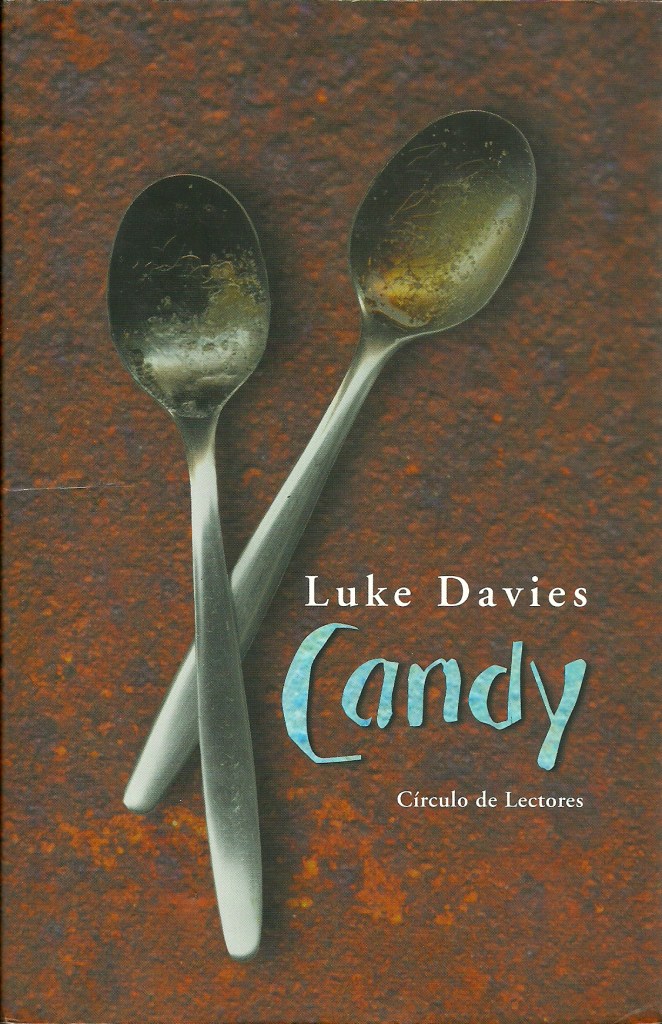
Candy by Luke Davies
The paired music: “One Way Street” by Mark Lanegan
My Reasons
The novel charts one passionate love story between two people in Australia. When addiction becomes the third – necessary – element in their relationship, everything begins to unravel. This is an intense, vivid, provocative novel of the horrifying toll of addiction, which is now better known as a film with the late Heath Ledger and Abbie Cornish. Song “One Way Street” by rock musician Mark Lanegan (1964-2022) can be interpreted as portraying a struggle with addiction. Lanegan’s deep, haunting voice captures the claustrophobia, and the never-ending, maddening cycle of addiction, its traps and its daily illusions of hope.
listen to the song – buy the book
Matterhorn by Karl Marlantes

The paired music: “In The Army Now” by Status Quo
My Reasons
Matterhorn is a powerful novel that emphasises the brutality, futility and absurdity of war, while still putting human courage and endurance at the centre. It focuses on the Vietnam war, and touches on such topics as abandonment after the war, erosion of morality, and nonsensical actions taken to appease the high ranks and their career ambitions. “In The Army Now” by Status Quo is actually a re-worked version of a song first sang by Dutch duo Bolland & Bolland in 1981. While falling short of being an anti-war song, its lyrics, especially such lines as “smiling faces as you went to land. But once you get there no one gives a damn” and “your finger is on the trigger, but it don’t seem right” still indicate that it is critical of war efforts.
listen to the song – buy the book
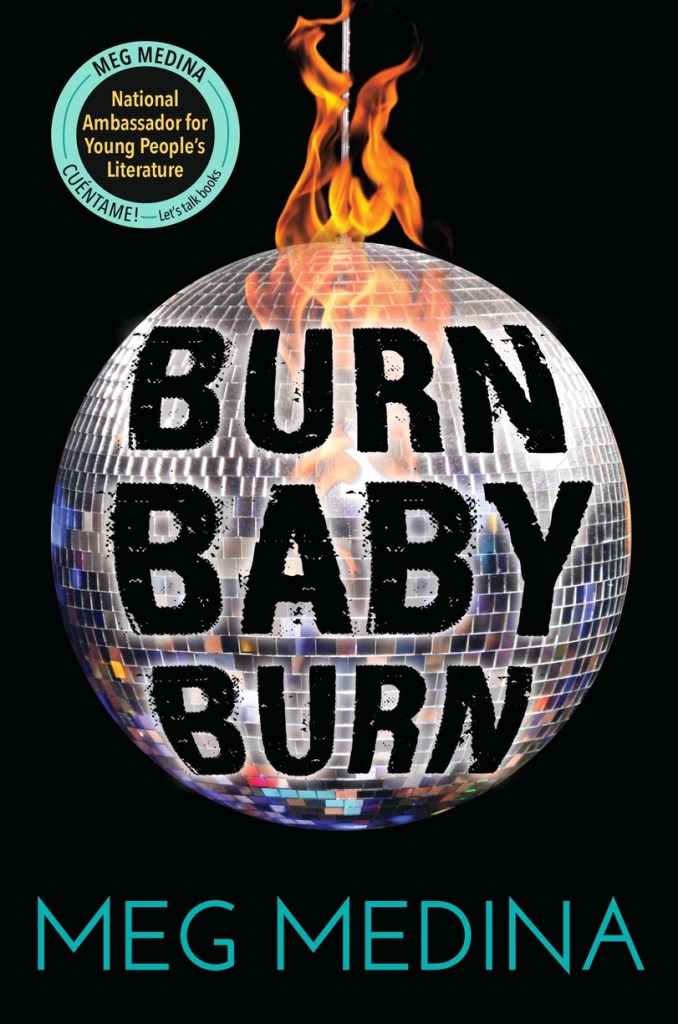
Burn Baby Burn by Meg Medina
The paired music: “Luca” by Suzanne Vega
My Reasons
Being my only YA book on this list, Burn Baby Burn is set in New York of the 1970s and focuses on the criminal and dysfunctional sides of the city. We see the world through the eyes of seventeen-year-old Nora Lopez who longs for joy and independence in her life, but whose immediate environment, including her irresponsible mother and abusive brother, makes it hard to achieve. Vega’s 1987 song “Luka” is also “set” in New York, showing the perspective of Luca, a boy used to coming up with “small lies”, excuses and elaborate strategies to cope with his reality – abuse at home.
listen to the song– buy the book
The Trial by Franz Kafka

The paired music: Études for Piano (Book 2). “No. 13: L’Escalier du Diable” by György Ligeti
My Reasons
Kafka’s absurdist story should be matched with some “absurdist” music. György Ligeti’s surreal, “micropolyphonic” music fits like a glove. Each step of K in the increasingly incomprehensible world of legal bureaucracy and secrecy in the novel parallels the progressively “demented” steps echoing from the Devil’s endless, nightmarish staircase in Ligeti’s work. Here, the presented world of a rigid order is, in reality, the chaos itself. We sense the sheer inhumanity and diabolical motives hidden in the works, that are both, figuratively, “infernal spirals”.
 Thoughts on Papyrus
What a wonderful idea! You have me thinking! Thanks for sharing. 😍♥️
LikeLiked by 1 person
Thanks for reading!
LikeLiked by 1 person
Thank you very much Diana 🙂 I love it !!
LikeLiked by 1 person
🙏
LikeLike
Have you heard the legend about “Gloomy Sunday”?
Will have to look for The New Me. Sounds like an interesting novel.
LikeLiked by 1 person
The legend? No. That it was first a song about war?
LikeLike
There is an urban myth that’s connected to a series of suicides — that it CAUSED the suicides. Personally I’ve sang it scores of times with no ill effects.
https://en.wikipedia.org/wiki/Gloomy_Sunday#Urban_legends
Part of the legend is that the “Dreamin’….only dreamin'” lyric was added to mitigate this supposed effect.
LikeLike
I see, thanks. Yes, I think like the source says it can be explained by the fact that Hungary/the US experienced terrible economic situation at that time, and it was the saddest song. What I find crazier from the site is that they made a film out of this legend in 2006 where people take their lives after hearing Gloomy Sunday from the implant in their heads? Not only it is not the Depression era anymore but Holiday’s song is about a specific situation of grieving for a loved one.
LikeLike
Fun post! Love the mashups📔🎵🙂
LikeLiked by 1 person
Nice post, Diana! I’ve only read a few of these, but your selections for the ones I know are excellent. The lyrics for the Convenience Store Woman soundtrack are perfect, although the song was a lot more upbeat than I expected 🙂
LikeLiked by 1 person
What an interesting idea. Must pick that up one time. And now I have a lot of music pieces to listen to. Thanks.
LikeLiked by 1 person
Nice idea to match books to music. Love the matching of Anna Karenina to Masquerade ballet suite; Jude the Obscure with Bach, and The End of the Affair with Holliday. All moving and perfect.
LikeLiked by 1 person
Thank you, I am glad you agree 🙂
LikeLike
Nice pairings. Another possibility for Matterhorn is Bob Dylan’s Master of War, covered by many including Eddy Vedder and Judy Collins.
LikeLiked by 1 person
Thanks! And, a really great suggestion, thank you!
LikeLiked by 1 person
What a great idea! Your pairings really seem spot on (based on the summary you gave of the books I haven’t read too)! I also love when a song or music is mentioned in a book (Murakami does that a lot) as it allows me to dive deeper into how the author envisioned a specific scene or mood.
LikeLiked by 1 person
Ed Abbey, in Desert Solitaire, turned me on to Elliott Carter.
LikeLiked by 1 person