This is Nabokov’s second book, written in Russian in Berlin in 1927 when he was 28. At first glance, the novel may appear to be a rather banal take on a bourgeois love triangle, but Nabokov’s inventive use of language, his obsession with minute details to capture moments in time, and his uncanny humour all soon unveil a curious story with deep psychological portrayals, moments of delicious suspense, and one unpredictable ending. The plot revolves around one young man from the provinces named Franz Bubendorf, who comes to Berlin to work for his “uncle” and successful businessman Kurt Dreyer. Franz becomes immediately smitten with Dreyer’s beautiful young wife Marta, and his love is returned, but, barricading their path to happiness, is always the ever-present, annoying and “permanent” Dreyer. Will the couple find the way to be together, while also enjoying Dreyer’s hard-earned money?
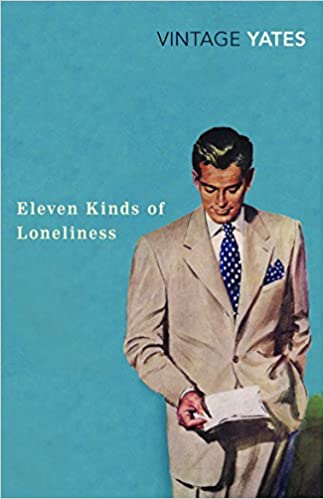
This short story begins in London, 1920. John Eve, a jobless and penniless young man, finds himself at the lowest point in his life in the city in the middle of winter. John has practically nowhere to go when he hears a proposition made to him in a bar from one rich stranger named Stilton. That man offers John ten pounds a month if John would rent a room in one unassuming building with a view to the street, and then would simply light a lamp covered by green cloth so it can be viewed from the street. John has to do this seemingly meaningless routine every day from five to twelve in the evening, just burning an oil lamp. Stilton then promises John that this would be his indefinite, paid “occupation”, and, in some months or years, perhaps some influential people would come and make John rich.
The Six in Six meme or, as I call it, challenge, was first proposed and designed by The Book Jotter and now is in its tenth year. This is a challenge to list six bookish categories (the range of categories on offer is immense and can be found here), and, within each, to list six books that answer the question. The idea is that the books selected should reflect the blogger’s reading material of the past six months. As you can see below in my answers, I do not read many new releases and have included non-fiction books alongside fiction. The books listed are in no particular order and, apart from the “movie” categories below, were read by me in the past six months.
I. Six books I have read but not reviewed:
On Parole (1988) by Akira Yoshimura – Though not as good as the author’s Shipwrecks (1982), On Parole is still a thought-provoking book and a penetrating look at one man recently released from prison and trying to adjust to a society he longer recognises. The book was also loosely adapted into a film of 1997 (The Eel), which won the Palme d’Or at the Cannes Film Festival.
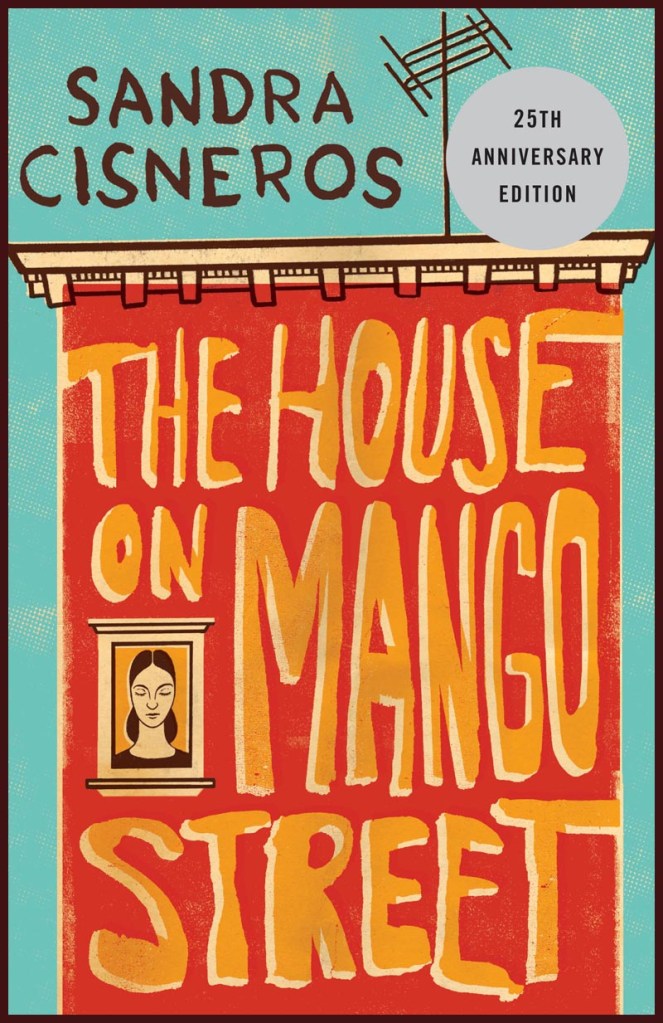
The House on Mango Street (1984) by Sandra Cisneros – This tale is from a little girl, Esperanza, originally from Latin America, who feels uncomfortable living where she does, in a poverty-stricken neighbourhood of Chicago. The merit of the book is the true voice of a child trying to make sense of the world around her.
Butcher’s Crossing (1960) by John Williams – John Williams may be known for his novel Stoner (1965), but he also has other good books beside it. Butcher’s Crossing follows one inexperienced young man circa the 1870s who leaves his comfortable surroundings and education to travel to one forgotten spot on earth – Butcher’s Crossing, Kansas. He soon befriends a local buffalo hunter and walks out to seek adventure in the open, but will he find what he is looking for? This novel has beautiful descriptions of nature and reminded me of Mayne Reid books featuring buffalos which I used to read as a child, but it is also said to be influenced by the philosophy of Ralph Waldo Emerson.






 Thoughts on Papyrus