
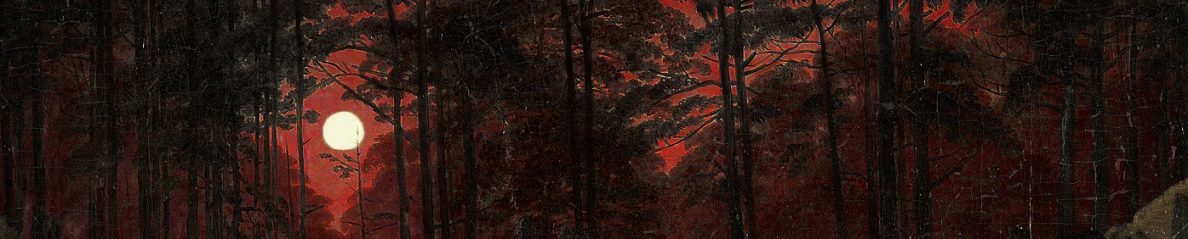
Evelyn De Morgan (1855-1919) was an English post Pre-Raphaelite painter, whose art reflected her beliefs in spirituality, mythology, feminism, pacifism, and other areas. The wife of potter, novelist and designer William De Morgan (1839-1917), Evelyn attended the Slade School of Art before moving away from the classical genre to the Pre-Raphaelite movement under the influence of George Frederic Watts (Hope), his students, and such Pre-Raphaelite painters as Dante Gabriel Rossetti and William Holman Hunt. I love interpreting De Morgan’s art as a spiritual journey of the soul or through the prism of symbolism, and hence the title.

The Love Potion by Evelyn De Morgan
The Love Potion is a curious painting because it aims to reverse the usual presentation of a sorceress in art. A woman, dressed in a golden gown, is seen brewing a love potion in her study. Though a cat, a clear symbol of dark magic, is seen beside the woman, her surrounding alchemical books clearly indicate that she is not some run-of-the-mill witch, but a scholar, a person of much intelligence and skill. The sorceress’s calm demeanour and profiled position signal authority and respect. Her actions are to be taken seriously. By presenting the sorceress in a yellow attire, De Morgan also suggests that she has already attained one of the final stages of the alchemical process (represented by the golden colour), and now is close to final salvation and enlightenment. The other main colours of the alchemical process of the soul transformation (black (green), white, and red) are also prominent here, hinting to us that this artwork has a deeply symbolic meaning. It is clear, though, that her potion has something to do with personal matters of love as a loved-up couple is seen outside her window (perhaps the sorceress is intent on breaking up the lovers?)
Continue reading “Evelyn De Morgan: Spiritual Symbolism”










 Thoughts on Papyrus