
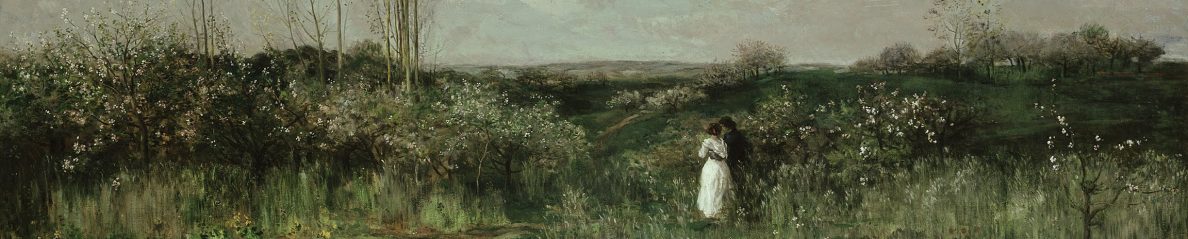
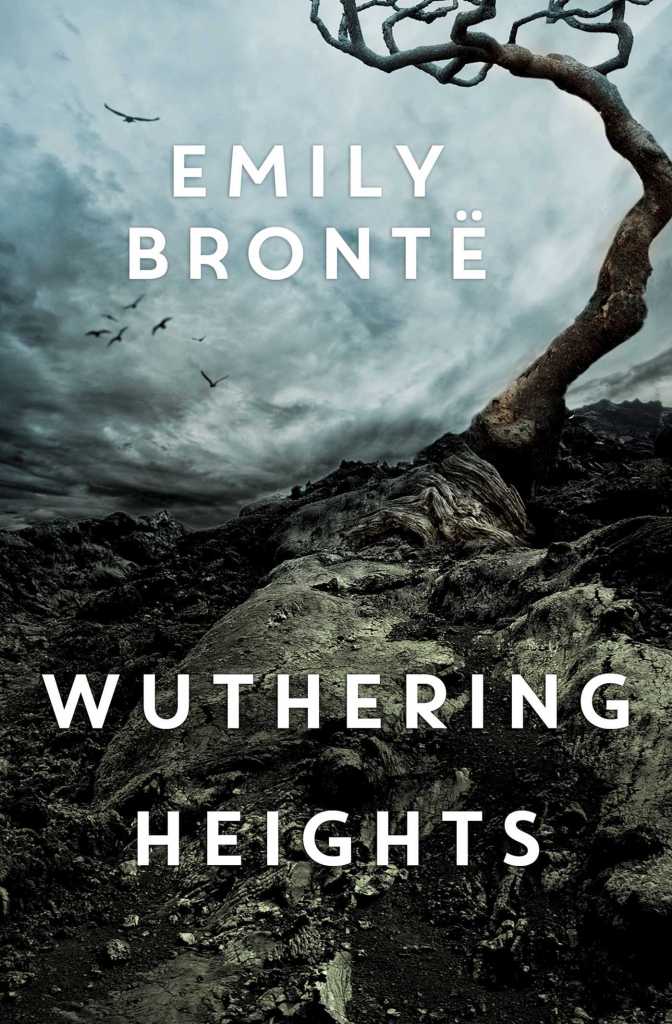
It has been ages since I completed this meme, so when I saw that the starting book for this month was Wuthering Heights, I jumped at the chance (find out more about the meme at Books Are My Favourite and Best).
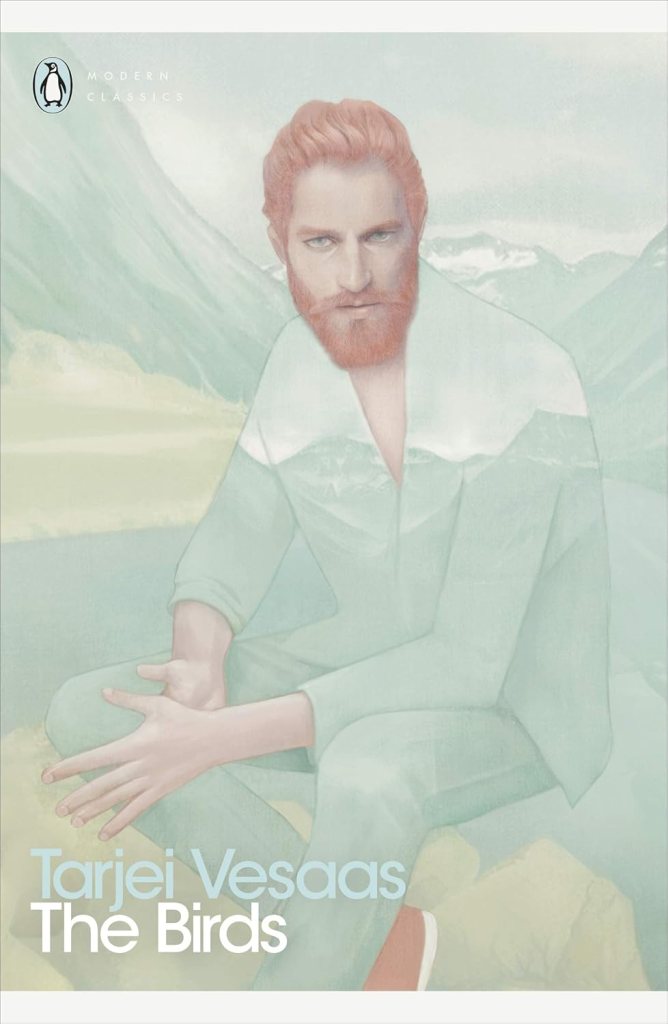
Wuthering Heights is set on the wild moorlands of West Yorkshire, England, and another beautiful novel I highly enjoyed and whose locale is also one very rural area is The Birds by Tarjei Vesaas. The plot takes place in southern Norway and concerns Mattis, a mentally disabled man living with his sister Hege. When Jorgen, a lumberjack, becomes Hege’s prospective suitor, the situation becomes uncomfortable for sensitive Mattis, though he soon has compensation – he set his eyes on becoming a lake ferryman. This is an astonishingly good Norwegian classic.
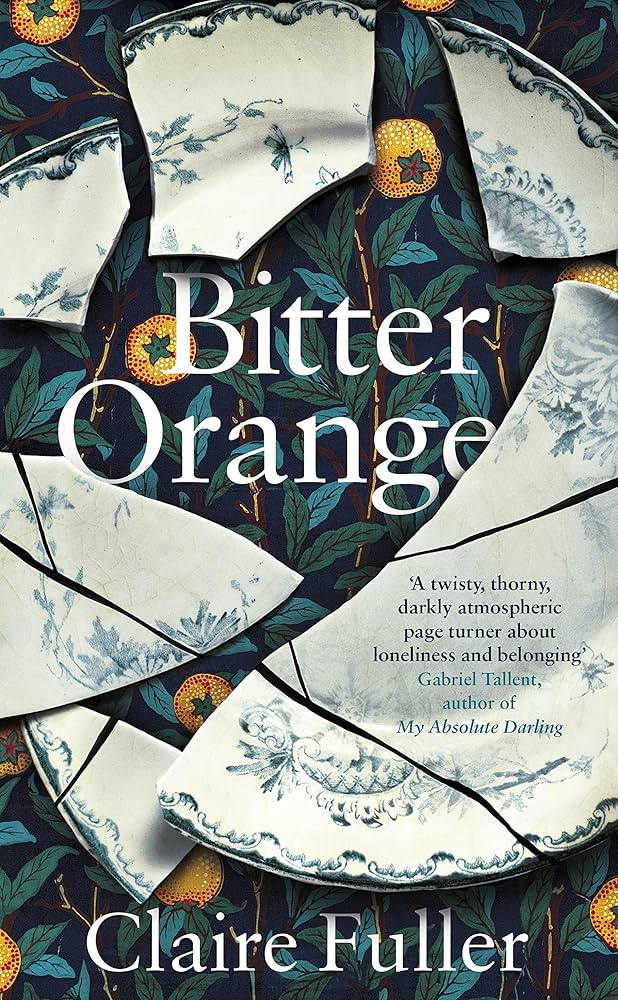
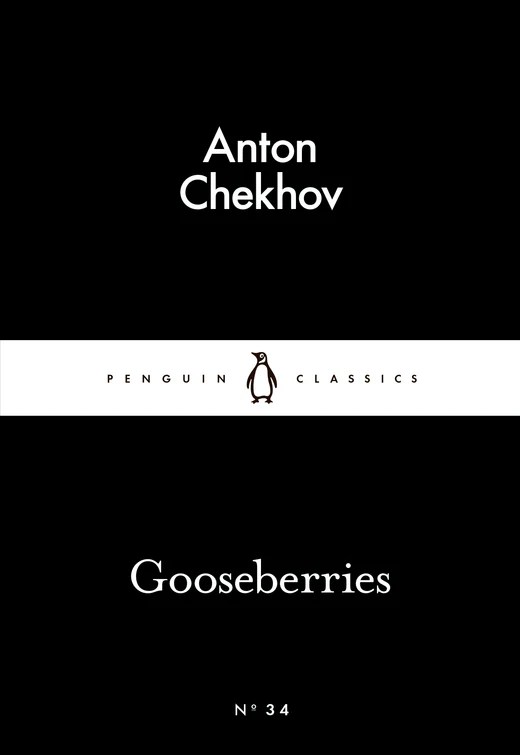
Another book that is all about a three person-dynamic creating much tension, sexual frustration and intellectual curiosity is Claire Fuller’s Bitter Orange, an evocative novel that centres around one woman who befriends a “posh” couple at a semi-abandoned mansion. The book has a fruit in its title, as does one of Anton Chekhov’s short stories – Gooseberries, a thought-provoking tale that comments on self-deception, and on the impossibility and wrongness of building one’s happiness on the sorrow of another.
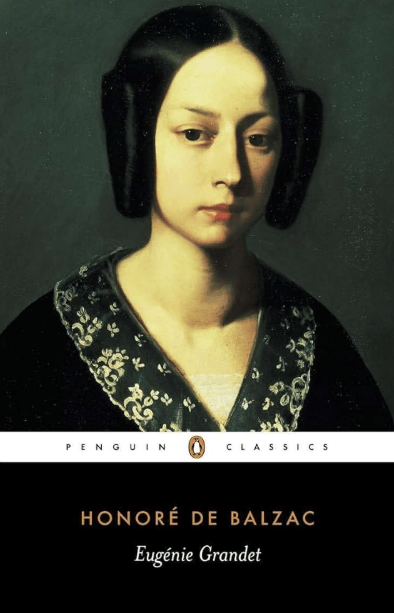
This sentiment is echoed in Balzac’s slim masterpiece Eugénie Grandet, where miser Félix Grandet does everything to make his family more miserable and hungrier even as he saves a penny (centime) here and there. Even though the main theme is our heroine’s romantic disillusionment and stoicism, this is also a cautionary tale about disaster that can follow if one prioritises wealth over human connection.
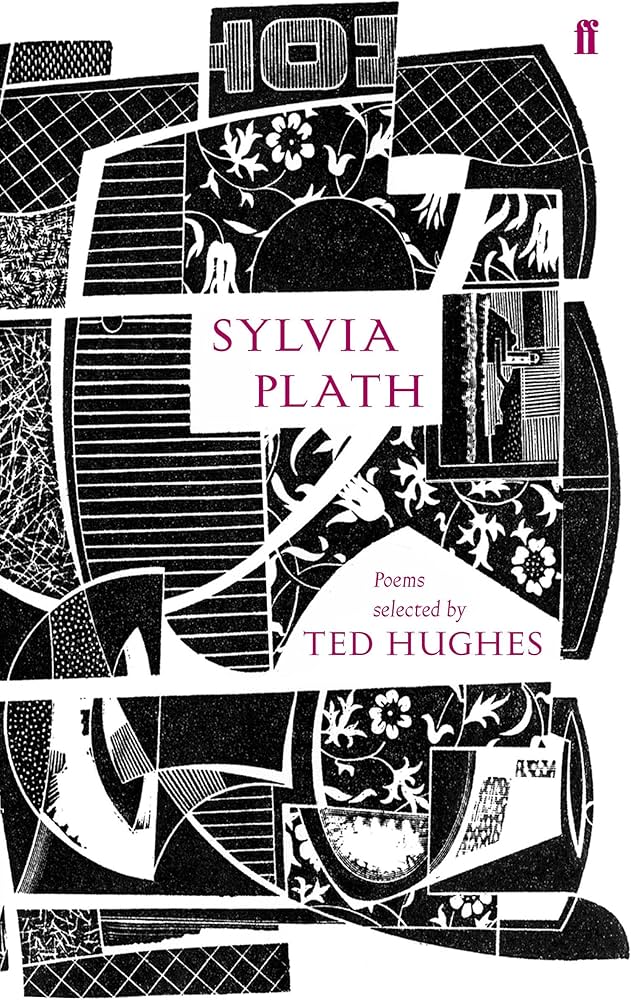
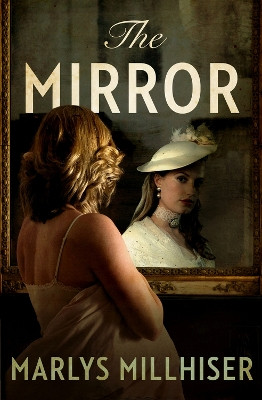
Novels like Eugénie Grandet about female oppression and women trying to make it in the men’s world make me think of feminist writings, such as those of Sylvia Plath and her poems. Her poem The Mirror focuses on identity, fear and the inevitable passage of time, and this is also the title of Marlys Millhiser’s sci-fi/fantasy novel. The Mirror has this exciting, twisty body-swap scenario whereby, just before her wedding night, a young woman finds herself in the body of her grandmother in the year 1900. The cause of this unbelievable transformation is one antique Chinese mirror.
 Thoughts on Papyrus
Interesting chain here. I haven’t read any of these.
LikeLiked by 1 person
I think Gooseberries is one of Chekhov’s best ever stories.
LikeLiked by 1 person
I quite agree. It is also right there for me among his best, together with Ward No. 6 and The House with the Mezzanine.
LikeLike
What I love about Chekhov is that there’s always a story that I haven’t read yet.
LikeLiked by 1 person
Nice chain! Plus your book covers look very dramatic!
LikeLiked by 1 person
Fabulous! And your last title is intriguing. On my way to check that out.
https://wordsandpeace.com/2026/03/07/six-degrees-of-separation-next-in-line/
LikeLiked by 1 person
I was so looking forward to this month’s Six Degrees as for once I have read the starter book. Totally interesting. Thanks for yours.
Here is mine.
LikeLiked by 1 person
Thanks for sharing. I love that you made it focused on the Brontë sisters.
LikeLike
Thanks. It was my first thought and those are usually the best, right?
LikeLiked by 1 person
Right 🙂
LikeLike
Well, well. That’s an impressive chain or list. I’ve read Chekov and Balzac at school. (Never a big fan of Balzac, actually.)
I still have Wuthering heights on my To-read shelf. I might get there one day. 😉
All well with you, I hope?
LikeLiked by 1 person
Wuthering Heights is worth it, even for the unusual cyclical structure and the obsession theme. Thanks for the comment.
LikeLiked by 1 person