
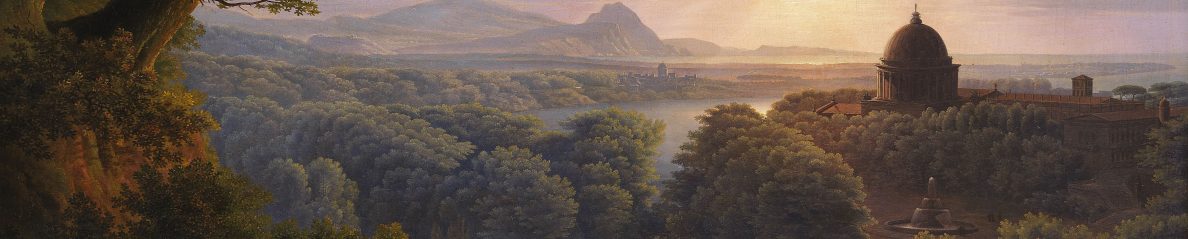
From all non-fiction out there, I often find history non-fiction the most interesting and, actually, the best written (historians can write!). This is a list of ten history non-fiction books that I wholly recommend, and, yes, my list does gravitate towards medieval history and the history of medicine. I am also excluding autobiographical memoirs, and this list is in no particular order.

I. History of Madness [1961/2009] by Michel Foucault
“Men are so necessarily mad, that not being mad would constitute another form of madness” (Blaise Pascal). I have read a number of books on the history of psychiatry, but this one is still the one. It is an ambitious, monumental work of eminent French philosopher Michel Foucault (1926 – 1984), and in it, he examines the changing meaning, perception and treatment of “madness” through the centuries, commenting on many cultural, societal, scientific and political transformations.
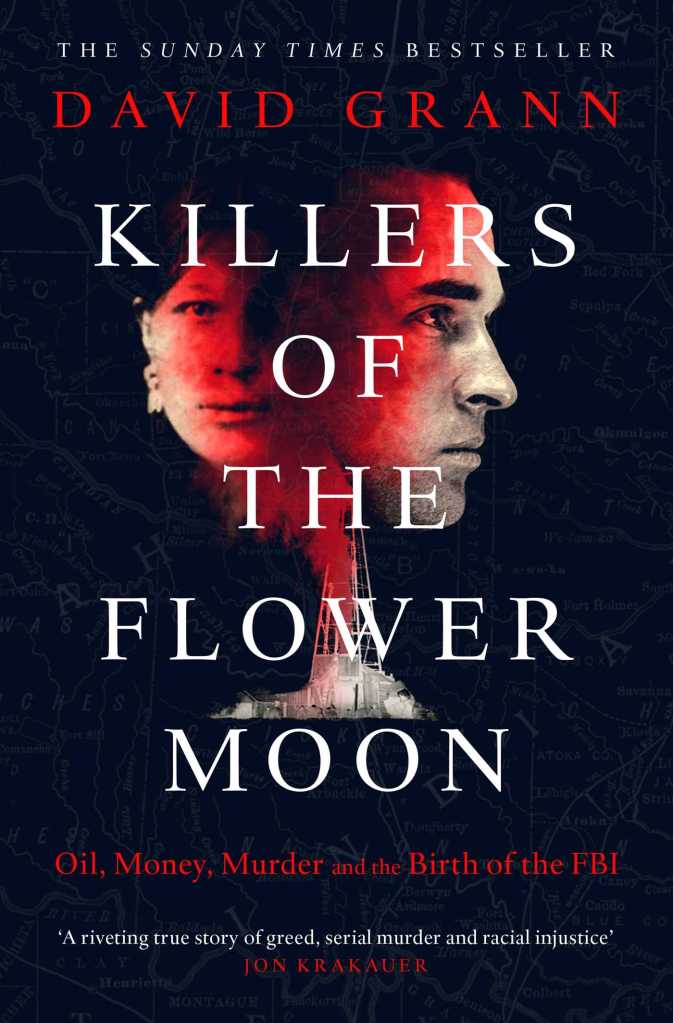
II. Killers of the Flower Moon [2017] by David Grann
This entry cannot be more timely – Martin Scorsese’s film based on this book is currently debuting at the Cannes Film Festival 2023. This is the story of the brutal murders of the Osage people in Oklahoma in the 1920s after oil deposits were found on their land. Corruption and deception are rife, but can an independent police force untangle the web of deception and cover-ups, and ensure justice? This is an entrancing read that will haunt you for days. My first book by David Grann was The Lost City of Z [2009], which I also highly recommend.
Continue reading “Top 10 History Non-Fiction I Read”
 Thoughts on Papyrus