

10 Great Coming-of-Age Novels

I think that summer is the perfect time to read coming-of-age novels (my past summers on this blog were all about such books as The Interestings, Golden Child, Fruit of the Drunken Tree, and Arturo’s Island), and below is my personal list of ten great coming-of-age novels (a Bildungsroman). Summer is usually linked to childhood and growing up (at least in my mind): the sense of freedom after school is over, grass picnics and summer camps. Charles Dickens (David Copperfield), Mark Twain (The Adventures of Tom Sawyer), J. D. Salinger (The Catcher in the Rye), and Louisa May Alcott (Little Women) are just a few of the authors I used to read who all wrote about the pains of growing up and finding oneself in the world, capturing that curious transition between the magical world of childhood and the “harsh” world of adults, that is full of responsibilities. The list below includes my other old favourites and more-or-less-recently-discovered modern classics.
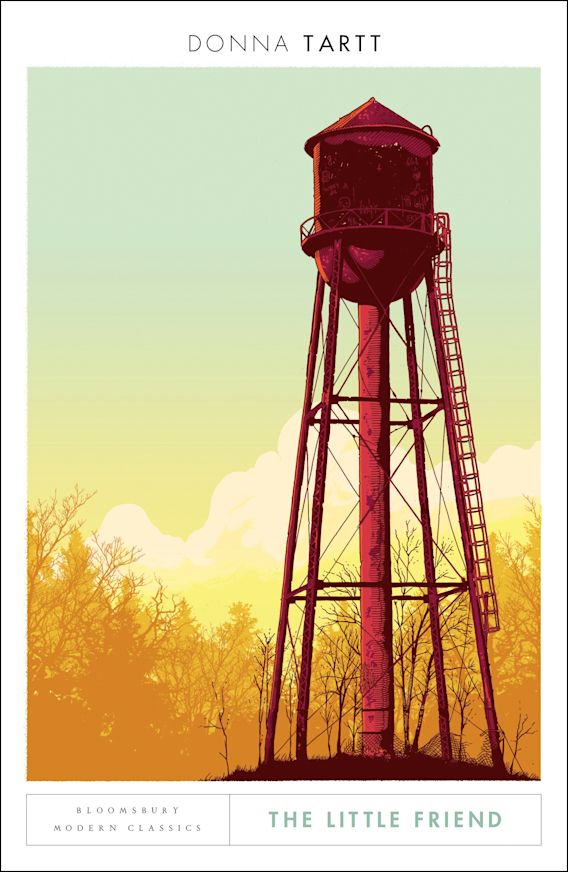
I. The Little Friend [2002]

by Donna Tartt

The focus of this evocative novel by Donna Tartt is twelve-year-old Harriet Dufresnes living in Mississippi who becomes obsessed with tracking down the murderer of her brother Robin twelve years prior. Her passion for justice leads her on the progressively dangerous journey of confronting the town’s criminals and the people she believes are responsible for her brother’s death. Tartt fuses the southern mystery with the wonder and investigative adventures of childhood tainted by trauma and thrown in at the deep end.

Continue reading “10 Great Coming-of-Age Novels”

Review: How Do You Live? by Genzaburo Yoshino

How Do You Live? [1937/82/2021] – ★★★★★

Often compared to Antoine de Saint-Exupéry’s The Little Prince [1943], How Do You Live? is an unforgettable book with a heart and a soul.

This story focuses on naturally inquisitive high-school student Junichi Honda (nicknamed “Copper”) and his three friends: quiet Mizutani, outspoken Kitami and kind Uragawa. With his uncle acting as a guide, Copper learns important life lessons and discovers things that would enable him to become a better human being in future. We are shown little episodes in Copper’s life as the boy starts to understand the importance of friendship, kindness, thankfulness and acceptance, and the wrongs of bullying, cowardice and discrimination.

In an often typical Japanese literary style, there is hardly any “action” narrative in Yoshino’s book. Rather, the main “action” takes place inside Copper as he finds himself at “moral crossroads” in his life, forced to make decisions, and matures, learning certain things in life which can only be understood through experience. One such life lesson concerns the importance of humility and the need to be thankful for small things in one’s life. Copper’s uncle explains to our hero how there is a general human tendency to view oneself at the very centre of the world. This view is mistaken. We are all people who think, feel and dream, and are all connected to each other in a multitude of different ways, even if we do not see this directly. Only by thinking “globally” and from the point of view of other people, can we understand this life’s true nature, as well as become better human beings, making a positive impact on this world. Everything is inter-connected in nature and society, and no matter how small a thing or a person is, or how small their actions, its/their impact can still be felt on others/environment.

Continue reading “Review: How Do You Live? by Genzaburo Yoshino”