
10 Great Coming-of-Age Novels

I think that summer is the perfect time to read coming-of-age novels (my past summers on this blog were all about such books as The Interestings, Golden Child, Fruit of the Drunken Tree, and Arturo’s Island), and below is my personal list of ten great coming-of-age novels (a Bildungsroman). Summer is usually linked to childhood and growing up (at least in my mind): the sense of freedom after school is over, grass picnics and summer camps. Charles Dickens (David Copperfield), Mark Twain (The Adventures of Tom Sawyer), J. D. Salinger (The Catcher in the Rye), and Louisa May Alcott (Little Women) are just a few of the authors I used to read who all wrote about the pains of growing up and finding oneself in the world, capturing that curious transition between the magical world of childhood and the “harsh” world of adults, that is full of responsibilities. The list below includes my other old favourites and more-or-less-recently-discovered modern classics.
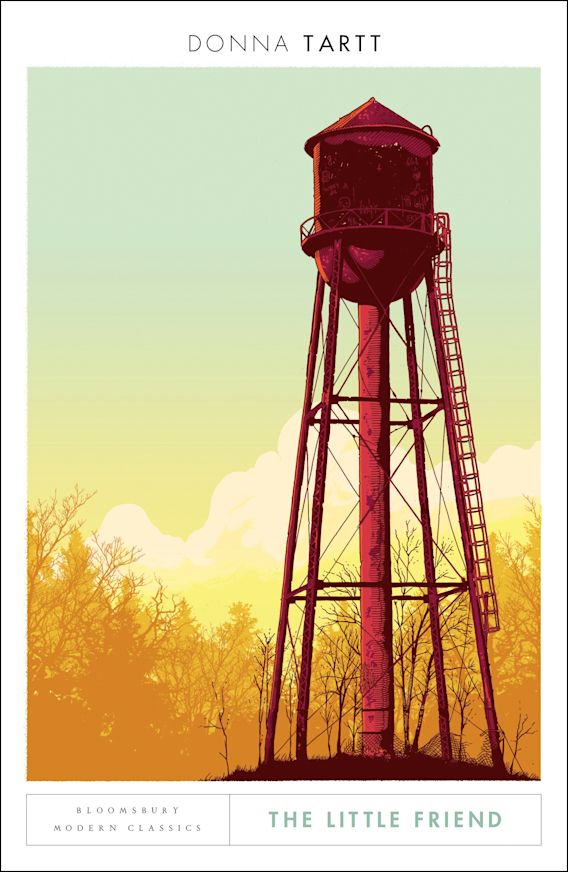
I. The Little Friend [2002]

by Donna Tartt

The focus of this evocative novel by Donna Tartt is twelve-year-old Harriet Dufresnes living in Mississippi who becomes obsessed with tracking down the murderer of her brother Robin twelve years prior. Her passion for justice leads her on the progressively dangerous journey of confronting the town’s criminals and the people she believes are responsible for her brother’s death. Tartt fuses the southern mystery with the wonder and investigative adventures of childhood tainted by trauma and thrown in at the deep end.

Continue reading “10 Great Coming-of-Age Novels”
Review: Arturo’s Island by Elsa Morante

Arturo’s Island [1957/2019] – ★★★★

This coming-of-age story won the 1957 Strega Prize, Italy’s most prestigious literary award, but this review is of a newer translation by Ann Goldstein. The book tells of a fourteen-year-old boy Arturo Gerace living in Procida, Bay of Naples, Italy some time before the World War II. Growing up without his mother and with often absent father Wilhelm Gerace, Arturo is still happy to spend his days without rules or schedules running wild around the island, imagining being an adult and embarking on some sea adventure that would bring him eternal glory. That is until his father, whom Arturo idolises, brings home his new sixteen-year-old bride Nunziata. From that point on, Arturo’s world will never be the same and the shift in the household’s dynamics means that Arturo can finally confront his deepest subconscious traumas with a chance to experience both the joys and sorrows of secret love. Morante’s tale is deceptively simple, and is more psychological than first assumed. It evokes all the delights of childhood wonder and the longings of adolescence, the feelings of endless summers and the atmosphere of mysterious, isolated lands surrounded by aquamarine seas.

Continue reading “Review: Arturo’s Island by Elsa Morante”

Review: The Luzhin Defense by Vladimir Nabokov

The Luzhin Defense [1929] – ★★★★★

Of all my Russian books, The Luzhin Defense contains and diffuses the greatest “warmth”, which may seem odd seeing how supremely abstract Chess is supposed to be” (Vladimir Nabokov).

This was an audio-book which I listened to in its original language, Russian. This is Vladimir Nabokov’s only third novel in Russian (he wrote his last series of books in English), but it impressed me hugely. In this book, the author imagines the life of once chess prodigy and now respected retired man Alexander Luzhin, and, while the first part of the book is a touching coming-of-age story of one talented but misunderstood and lonely boy, the second half of the story is a penetrating study of one eccentric, increasingly confused man who still tries to accustom himself to the society that, surprisingly to him, is far from chess rules and boards. Through this character study, which is both tender and ironic, tragic and farcical, Nabokov underscores the parasitic relationship of madness to genius, as he also unveils a deeply sympathetic situation of one man always in the midst of a battle to lead a life which seems natural to him.

Continue reading “Review: The Luzhin Defense by Vladimir Nabokov”