
Recent American True Crime Non-Fiction Reads

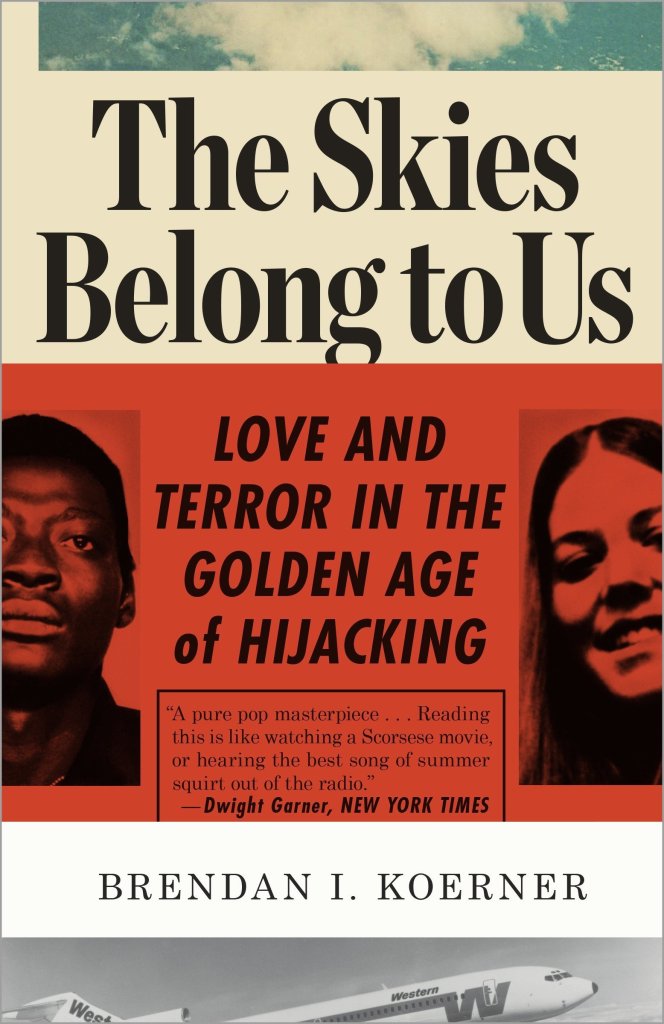
I. The Skies Belong to Us: Love and Terror in the Golden Age of Hijacking [2013] by Brendan I. Koerner – ★★★★

This book by journalist Brendan I. Koerner focuses on the “Golden Age of Aircraft Hijacking” and on a peculiar case of an airplane hijacking operation carried out by Vietnam veteran William Roger Holder and his girlfriend Cathy Kerkow in 1972. Before airport X-ray machines and the careful vetting of all passengers, Holder and Kerkow had accomplished a crime feat in the air of unbelievable proportions, later escaping to and from Algeria and much later even becoming “celebrities” in France, mingling with the elite. This book is not only a fascinating story of their case that often reads like an exciting thriller, but also a deep insight into the most unbelievable period in the American commercial aviation history when airplane hijacking was so common people thought of it as just “one of those annoying inconveniences of flying” similar to jet lag.

Continue reading “Recent American True Crime Non-Fiction Reads”

Non-Fiction Reviews: “Making Movies”, “Gomorrah”, & “Pure Invention”

I. Making Movies [1995] by Sidney Lumet ★★★★

This book on movie-making is by American director Sidney Lumet (1924 – 2011) who was probably best known for directing a number of “legal” films including 12 Angry Men [1957], Murder on the Orient Express [1974] and The Verdict [1982]. It provides a deep insight into the “magical” process of making movies, from deciding whether to do a movie (Lumet almost always decided “instinctively”) to the final editing process and running previews. Lumet was a “trier” and a “doer”. He tells us in his book that he did not believe in waiting around for opportunities and liked to create his own luck. His eagerness to create chances reflected the sheer variety of films he directed. Cinematic success is hard to pin down, he states. That is also his first lesson to us: “nobody knows what that magic combination is that produces a first-rate piece of work” [Vintage, 1995: 9]. Even a great script or a great star-actor does not guarantee success.

Continue reading “Non-Fiction Reviews: “Making Movies”, “Gomorrah”, & “Pure Invention””

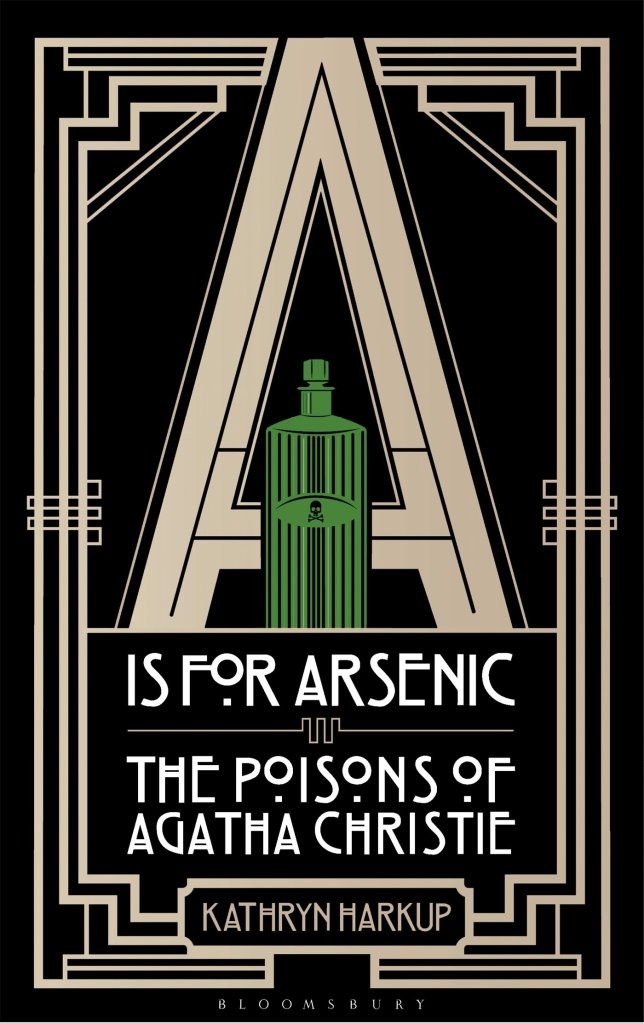
Review: A is For Arsenic: The Poisons of Agatha Christie by Kathryn Harkup

This image has an empty alt attribute; its file name is harkup-book-cover.jpg

15 September 2020 marks 130 years since the birth of Agatha Christie in 1890, and this review is meant to pay tribute to the ultimate Queen of Crime. The author of A is For Arsenic is Kathryn Harkup, a chemist by profession, who decided to plunge into all the poisons that Christie used in her books to come up with her perfect crimes. In A is For Arsenic, we first read about the scientific properties of each of the poisons used by Christie in her fiction, from arsenic and belladonna to opium and phosphorus (including their histories and the ways they kill), before the author illuminates the real cases involving these poisons, and finally talks about the fictitious cases in Agatha Christie’s books. It is clear that reading about different poisons has never been as morbidly fun or interesting as with this book since Harkup is an intelligent and succinct writer with a great sense of humour. A is For Arsenic is sure to fascinate and delight this Halloween season.

Continue reading “Review: A is For Arsenic: The Poisons of Agatha Christie by Kathryn Harkup”

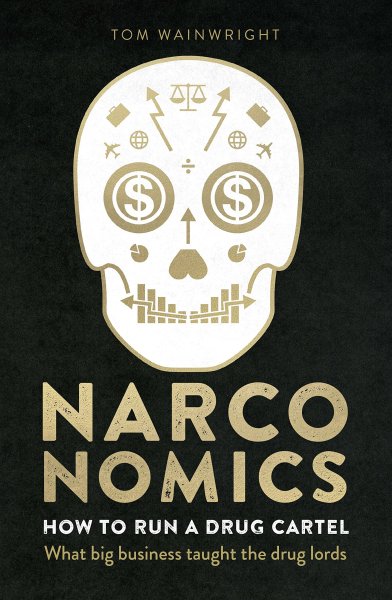
Review: Narconomics: How to Run a Drug Cartel by Tom Wainwright

Narconomics Book Cover Narconomics: How to Run a Drug Cartel [2016] – ★★★★1/2 

The title should not frighten anyone because this non-fiction book will not involve any difficult finance theories or the like. In this book, Tom Wainwright looks at the functioning of a drug cartel from the point of view of an ordinary business. If we view drug operations through the same prism that we use to evaluate an ordinary company then maybe it will be possible to devise solutions that will actually reduce mobsters’ business and stop the reach of their operations. Wainwright embarks on his own exciting investigative work to show us how a drug cartel, like any other legal business, seeks to control the supply side, diversify, multiply its offshore locations to reduce its cost, as well as makes movements into the domain of the Internet to reach a wider pool of customers. Interesting comparisons are made with McDonalds, Walmart, Coca-Cola and Amazon, and, in light of these, Wainwright proposes unorthodox solutions to change policies to better tackle the issue. A dramatic and interesting picture emerges of the situation and functioning of drug cartels in the world.  Continue reading “Review: Narconomics: How to Run a Drug Cartel by Tom Wainwright”