

To Build a Fire [1902/2007/18] – ★★★
Based on short story To Build a Fire by Jack London, this graphic novel by French artist Christophe Chabouté (Alone, Moby Dick) recounts one day in the life of a man newly arrived to north-western Canada as an ardent prospector in search of gold. The year is 1896, and our man is just one of many finding their feet in the environment of bitter cold (minus fifty), treacherous ice lakes, and few provisions. His dog is his only companion, but, otherwise, he is alone, making his way to his mates’ camp.
This is a survival story that emphasises the importance of fire and of making fire to survive in inhospitable conditions. The man was told many times how dangerous it is to travel alone in such freezing temperatures, but he is sure of himself, or is he? The story is also about the arrogance and presumptuousness of the mankind who think they can outsmart Mother Nature. The man in the story learns his lesson, but at what cost?
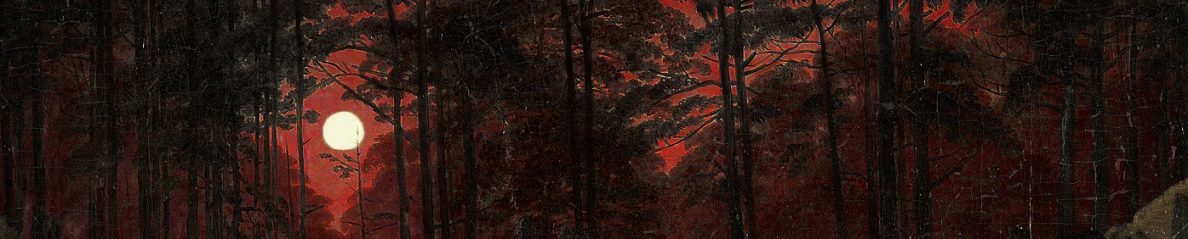
The graphic novel renders vividly the key moments in London’s story, especially those that portray the horrific realisations of the prospector. Chabouté’s trademark of using black and white ink also works particularly well here as it conveys the harshness of the environment. The blackness of the forest is contrasted with all the white snow, and when fire (red), the true central character, comes into the picture, the impression becomes even more vivid. However, the decision to go for a second-person narrative (“you”) is odd and makes the reading perplexing (the original story is told through an omniscient third-person narration).

I generally welcome graphic novel adaptations of classic books, for example, see my previously reviewed The Jungle by Upton Sinclair, as visualised by Kristina Gehrmann. But, it seems that not everything works when adapting original works that are already short and to the point as London’s To Build a Fire, and our imagination when reading the story more than compensates for any lack of visuals given the story’s unique setting and its briefness. Chabouté’s work is beautifully-drawn, but also slightly repetitive and not as moving as the original.
 Thoughts on Papyrus
The illustrations really are so cute, though! I think I would enjoy seeing all of them.
LikeLiked by 1 person
Many thanks Diana, following to your article I have downloded the book in my tablet, it really promises.
Cheers
Ramón
LikeLiked by 1 person
Very interesting post, Diana. I’ve read a few Jack London novels but not this one. The choice of a second-person narrative is innovative, and I can see how it works in the illustration you posted, where we seem to be looking down on our own hands instead of seeing the man from the outside. So perhaps the intention was to put the reader more closely in the story, to make it feel as if “you” are the man warming his hands by the fire. Were all the illustrations done from this perspective?
From what I know of Jack London’s other work, though, I think he was pretty good at making the reader feel involved in his tales, even without addressing them directly and drawing pictures from their point of view, so I can see why the original might have worked better in this case. But it was interesting to read about it!
LikeLiked by 1 person
Thanks, and you hit the nail on the head. Establishing connection with readers should be one of second-person narrative’s main goals. I still think it works best as a sympathy-inducing, connection-building device when a character is thrust into some hardship or situation involuntarily or not of their own accord. This is not quite the case in London’s story. I found this narration more distracting than sympathy-inducing in this graphic story, especially when London’s original story doesn’t employ it. But, again, I am not a man or an adventurer, and it may appeal more to other readers. And, then again, the second-person narration in this graphic novel is even odder when you consider that this story’s morale is NOT to be like the main character – he is presented as a person whose actions we shouldn’t be following…so, I don’t see how us associating with the character should be one of the priorities.
LikeLiked by 1 person